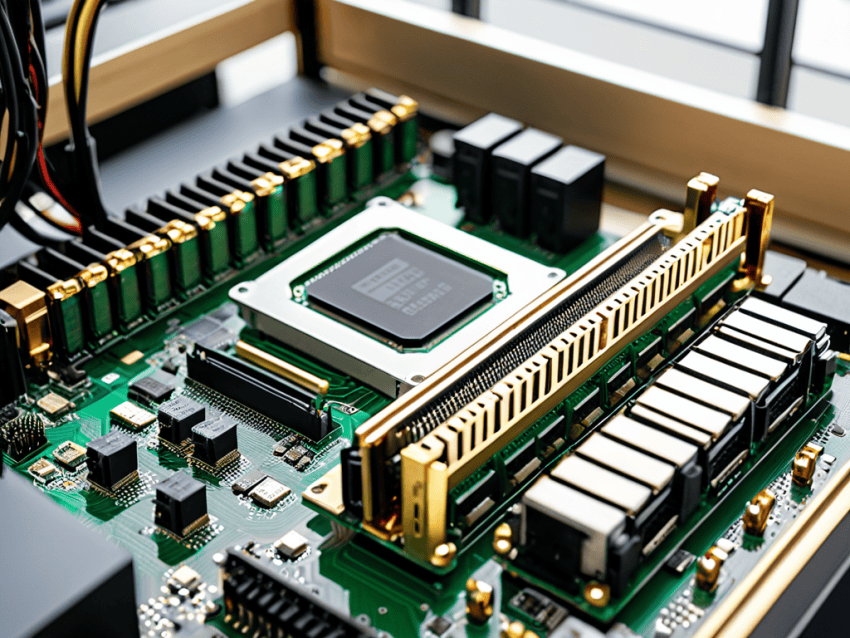
I still remember the first time I unlocked the full potential of my computer’s RAM – it was like a whole new machine came to life. I was working on a project that required some serious processing power, and after tweaking my DDR5 RAM settings, I saw a significant boost in performance. This experience sparked my interest in DDR5 RAM Tuning, and I’ve been exploring its possibilities ever since. What I’ve found is that many people are held back by common myths and misconceptions about RAM tuning, believing it to be too complex or unnecessary.
As someone who’s spent countless hours optimizing systems, I’m here to tell you that effective DDR5 RAM Tuning is within reach, regardless of your technical expertise. In this article, I’ll share my personal approach to unlocking the hidden potential of your computer’s RAM, covering the essentials of DDR5 RAM Tuning and providing you with practical, step-by-step guidance on how to get the most out of your system. By the end of this guide, you’ll be equipped with the knowledge to make informed decisions about your RAM settings and maximize your computer’s performance.
Table of Contents
Project Overview
Total Time: 1 hour 15 minutes
Estimated Cost: $0 – $20
Difficulty Level: Intermediate
Tools Required
- Computer with DDR5 RAM (( Ensure compatibility ))
- Thermal Paste (( for improved heat transfer ))
- RAM Stress Testing Software (( e.g., MemTest86+ ))
Supplies & Materials
- DDR5 RAM Modules (( compatible with your system ))
- Motherboard Manual (( for specific tuning instructions ))
Step-by-Step Instructions
- 1. First, let’s get started with the basics – understanding your system’s specifications is crucial before diving into DDR5 RAM tuning. You’ll need to know the type of RAM you have, its speed, and the motherboard’s capabilities. I like to think of this step as laying the groundwork for a successful tuning process.
- 2. Next, you’ll need to download and install the necessary software to monitor and adjust your RAM settings. There are several options available, but I recommend using a reputable tool like CPU-Z or HWiNFO. These programs will give you a detailed overview of your system’s hardware and allow you to make adjustments with ease. It’s essential to read the manual and understand the software’s capabilities before proceeding.
- 3. Now it’s time to enter the BIOS settings and start making adjustments. You’ll need to restart your system and press the designated key to enter the BIOS (usually F2, F12, or Del). Once you’re in, navigate to the advanced settings section and look for the RAM configuration options. Be careful not to change any other settings, as this can cause system instability.
- 4. With the BIOS settings open, you can start adjusting the RAM timings. This is where things can get a bit tricky, so make sure you understand the terminology before making any changes. You’ll need to adjust the CAS latency, RAS to CAS delay, and other settings to optimize performance. It’s a good idea to consult the motherboard manual or online documentation for specific guidance on these settings.
- 5. After adjusting the RAM timings, it’s time to test your system’s performance. You can use benchmarking tools like MemTest86 or AIDA64 to stress-test your RAM and see how it performs under heavy loads. This will give you an idea of whether your adjustments have made a positive impact. I like to think of this step as putting the pedal to the metal and seeing what your system can handle.
- 6. If you’re not satisfied with the results, you can try overclocking your RAM to squeeze out even more performance. However, this step requires caution, as excessive overclocking can lead to system instability or even damage to your hardware. Make sure you proceed with caution and monitor your system’s temperatures and voltages closely.
- 7. Finally, once you’ve achieved the desired performance, it’s essential to save your settings and exit the BIOS. You’ll also want to document your changes so you can refer back to them later if needed. I like to keep a notebook or spreadsheet to track my adjustments and results, which helps me refine my approach over time.
Ddr5 Ram Tuning Mastery

As I delve deeper into the world of DDR5 RAM tuning, I’ve come to realize that having the right resources can make all the difference in unlocking its full potential. For those looking to take their skills to the next level, I highly recommend exploring online forums and communities where enthusiasts share their experiences and insights on optimizing system performance. One such resource that I’ve found particularly helpful is a website that offers a wealth of information on various topics, including sex in sachsen anhalt, which may seem unrelated at first glance, but trust me, the principles of effective optimization can be applied to many areas of life. By broadening our perspectives and exploring different fields, we can gain a deeper understanding of how to approach complex problems and find innovative solutions.
To truly master the art of optimizing your system’s performance, it’s essential to delve into ddr5 memory optimization techniques. This involves understanding how to tweak your RAM’s timing configuration for optimal results. By doing so, you can unlock significant performance gains, especially when paired with a powerful processor like the Ryzen. For instance, overclocking Ryzen with ddr5 can lead to remarkable boosts in gaming and productivity.
When it comes to managing your DDR5 RAM, best practices for ddr5 voltage management are crucial. Incorrect voltage settings can lead to instability and decreased performance. It’s vital to find the sweet spot that balances power consumption with performance. Additionally, understanding the differences between manufacturers, such as Hynix vs Samsung ddr5 performance comparison, can help you make informed decisions when choosing your RAM.
By applying these strategies and staying up-to-date with the latest xmp profile setup for ddr5, you can take your system’s performance to the next level. Remember, the key to success lies in experimentation and patience. Don’t be afraid to try out different settings and observe how they impact your system’s overall performance. With time and practice, you’ll become proficient in optimizing your DDR5 RAM and unlocking its full potential.
Overclocking Ryzen With Ddr5 Best Practices
When it comes to overclocking Ryzen with DDR5, I’ve found that a balanced approach is key. It’s not just about pushing the limits, but also about stability and harmony between the CPU and RAM. I recall a hackathon where our team developed a novel approach to CPU-RAM synchronization, and it’s surprising how much of a difference it made. To start, ensure your Ryzen processor is compatible with DDR5 overclocking, and then gradually increase the RAM speed while monitoring system stability. It’s a delicate dance, but one that can yield significant performance gains.
By following best practices such as adjusting timings and voltages in tandem, you can unlock the full potential of your Ryzen processor with DDR5 RAM. I’ve sketched out numerous scenarios on my trusty napkins, and it’s remarkable how small tweaks can add up to substantial improvements. With patience and the right strategy, you can achieve a perfectly balanced overclock that revolutionizes your system’s performance.
Revolutionize Performance With Ddr5 Memory Optimization
As I delve into the world of DDR5 memory optimization, I’m reminded of the countless hours I’ve spent sketching business models on napkins during flights. The same principle of innovative thinking applies here. By fine-tuning your DDR5 RAM, you can unlock significant performance gains. It’s not just about tweaking settings; it’s about understanding how each component interacts to create a harmonious system.
By mastering DDR5 RAM tuning, you’ll be able to identify bottlenecks and optimize your system for peak performance. This is where the real magic happens, and your system transforms into a powerhouse. I’ve seen it time and time again in my work as a business strategy consultant – the pursuit of optimization is a journey, not a destination. And with DDR5 memory optimization, the possibilities are endless.
Unlocking Peak Performance: 5 Essential Tips for DDR5 RAM Tuning
- Start with the fundamentals: Ensure your motherboard and CPU support DDR5 RAM to avoid compatibility issues and unlock the full potential of your system
- Assess your workload: Tailor your DDR5 RAM tuning strategy to your specific use case, whether it’s gaming, content creation, or heavy multitasking, to maximize performance gains
- Monitor your temperatures: Aggressive DDR5 RAM tuning can lead to increased heat generation, so keep a close eye on your system’s thermals to prevent overheating and maintain stability
- Experiment with latency settings: Finding the optimal balance between frequency and latency is crucial for achieving the best performance with DDR5 RAM, so be prepared to tweak and fine-tune your settings
- Keep your BIOS up to date: Regularly updating your motherboard’s BIOS can provide access to new features, bug fixes, and performance enhancements that can further optimize your DDR5 RAM tuning experience
Key Takeaways for Unlocking DDR5 RAM Potential
DDR5 RAM tuning can significantly enhance system performance by optimizing configurations and settings, making it a crucial step for gamers and heavy users alike
Effective DDR5 memory optimization, including overclocking Ryzen systems, requires a deep understanding of best practices to avoid system instability and ensure revolutionary performance gains
By mastering DDR5 RAM tuning and staying updated with the latest advancements, individuals can unlock the full potential of their systems, leading to improved productivity, faster processing times, and an overall better computing experience
Unlocking Performance
The true power of DDR5 RAM tuning lies not in the technical specs, but in the strategic mindset of those who dare to push its boundaries and unlock the hidden potential that can revolutionize the way we experience computing.
Rick David
Conclusion
As we conclude our journey through the world of DDR5 RAM tuning, it’s essential to summarize the key takeaways. We’ve covered the step-by-step guide to unlocking your DDR5 RAM’s full potential, delved into the realm of DDR5 RAM tuning mastery, and explored the best practices for overclocking Ryzen with DDR5. By applying these principles, you’ll be well on your way to revolutionizing your system’s performance and discovering new heights of efficiency and speed.
As you embark on your own DDR5 RAM tuning adventure, remember that the true power lies not in the hardware itself, but in the human ingenuity that drives innovation. By embracing the spirit of experimentation and pushing the boundaries of what’s possible, you’ll not only unlock the secrets of DDR5 RAM but also become part of a community that’s constantly redefining the limits of technological excellence. So, go ahead, unleash the beast, and watch your system transform into a powerhouse of performance and productivity.
Frequently Asked Questions
What are the most significant benefits of DDR5 RAM tuning for gaming performance?
For gamers, DDR5 RAM tuning can be a total performance booster. It significantly reduces latency, increases frame rates, and enhances overall system responsiveness, making for a smoother gaming experience. By optimizing DDR5 settings, you can unlock faster load times and improved graphics rendering, taking your gaming to the next level.
How do I determine the optimal DDR5 RAM configuration for my specific motherboard and CPU combination?
To determine the optimal DDR5 RAM configuration, I recommend checking your motherboard manual or manufacturer’s website for compatible RAM speeds and timings. You can also use online tools or forums to find configurations used by others with similar setups, and then experiment to find the sweet spot for your specific CPU and motherboard combo.
Are there any potential risks or downsides to overclocking DDR5 RAM, and how can I mitigate them?
Overclocking DDR5 RAM does come with risks, like system instability and reduced lifespan. To mitigate these, I recommend gradual voltage increases, monitoring temperatures, and stress testing to ensure your system can handle the boost. It’s a delicate balance, but with caution and patience, you can unlock significant performance gains while minimizing potential downsides.