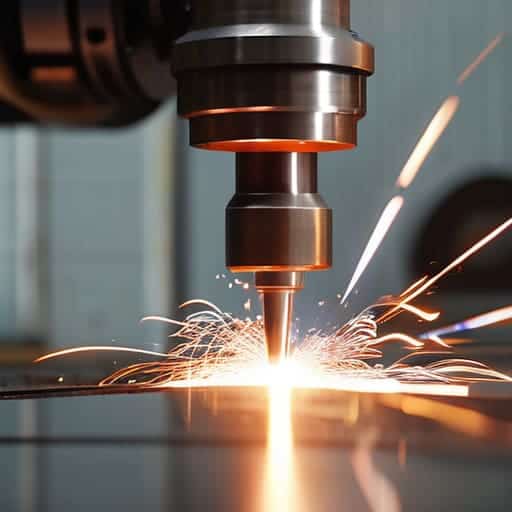
I was standing in my garage at 2:00 AM, covered in a fine layer of metal dust and staring at a piece of steel that looked more like a jagged lightning bolt than the precision part I’d designed on my computer. Most people will tell you that building a DIY CNC plasma table is a fool’s errand reserved for engineers with massive budgets and PhDs, but they’re dead wrong. The truth is, you don’t need a laboratory or a mountain of cash to get professional results; you just need the right sequence of steps and a healthy dose of stubbornness.
I’ve spent countless hours troubleshooting motor drivers and fighting with shaky frames so that you don’t have to. In this guide, I’m stripping away the fluff and giving you the raw, unvarnished blueprint for success. We’re going to walk through everything from sourcing affordable scrap metal to fine-tuning your software settings. This isn’t some polished sales pitch for expensive kits; it is a no-nonsense roadmap designed to take you from a pile of parts to your first clean, precise cut.
Table of Contents
Guide Overview
Tools & Supplies
- Angle grinder for metal cutting and prep
- Welder for assembling the steel frame
- Drill press or handheld drill for mounting components
- Multimeter for electrical wiring and troubleshooting
- CNC Plasma Cutter (machine or standalone unit)
- Steel Square Tubing (various lengths for frame)
- Linear Rails and Carriages (for X and Y axes)
- NEMA 23 Stepper Motors (for motion control)
- CNC Controller Board (e.g., Mach3 or GRBL compatible)
- Stepper Motor Drivers (to power motors)
- Lead Screws or Rack and Pinion (for movement)
- Water Table Components (tank, slats, and water pump)
Step-by-Step Instructions
- 1. First things first, you need to get your frame material sorted. I’m a huge advocate for using heavy-duty steel square tubing here—don’t even think about skimping on this part. If your frame is flimsy or prone to warping, your cuts will be completely useless once you start high-speed tracking. Measure twice, cut once, and make sure every corner is perfectly square before you even think about tack welding.
- 2. Once the frame is solid, it’s time to build the motion system. You’ve got a choice between linear rails or V-slot wheels, but if you want something that actually lasts, I’d suggest going with hardened steel rails. You’ll be mounting your X and Y axes to the frame, so take your time aligning the carriages. If they aren’t sliding smoothly now, they’re going to bind up the second you try to run a complex G-code file.
- 3. Next up is the “brain” of the operation: the CNC controller and electronics. You’ll need to mount your stepper motors, drivers, and your control board (like a Masso or a Mach3 setup) inside a decent NEMA-rated enclosure. My biggest piece of advice? Keep your high-voltage plasma lines as far away from your signal wires as humanly possible to avoid massive amounts of electrical noise.
- 4. Now, let’s talk about the plasma torch assembly. This is where the magic happens, but it’s also the most finicky part. You need to build a sturdy Z-axis mount that can move the torch up and down to maintain that perfect arc gap. If your Z-axis is shaky, your cuts will look like they were done with a jagged steak knife rather than a precision tool.
- 5. You can’t ignore the consumables and gas setup. You’ll need to plumb in your compressed air supply and set up a way to manage the exhaust. I highly recommend building a water table—either a simple flooded tank or a downdraft system—to catch the sparks and dross. Without a way to manage the mess, your shop is going to look like a war zone within ten minutes of your first cut.
- 6. Finally, it’s time for the software handshake. This is where you bridge the gap between your design and the machine. You’ll need to set up your CAD/CAM workflow—something like Fusion 360—and make sure your machine steps and directions are calibrated perfectly in your controller software. Run a few “air cuts” (running the machine without the torch firing) to ensure everything moves exactly where it’s supposed to before you burn through your first piece of steel.
Mastering the Plasma Cutting Machine Frame Design
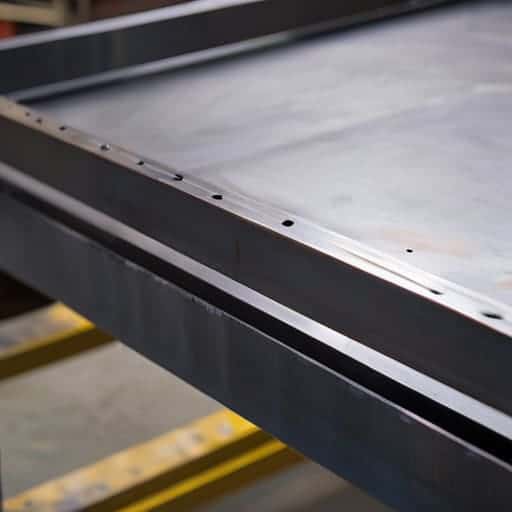
When you’re diving into the plasma cutting machine frame design, it’s tempting to just grab some scrap steel and start welding. But here’s the reality: if your frame isn’t dead-level and incredibly rigid, your precision is going to tank. I’ve seen too many beginners build a shaky skeleton only to realize later that every vibration from the torch is translating into jagged edges on their cuts. You want to prioritize structural stiffness above all else. Use heavy-duty square tubing rather than thin-walled stuff, and don’t be afraid to add gussets to your corners to prevent the frame from twisting over time.
Another thing people often overlook is how the frame interacts with the rest of your metal fabrication machine assembly. You aren’t just building a table; you’re building a foundation for high-speed movement. If your rails aren’t perfectly parallel, your motors will fight the machine, leading to skipped steps and a massive headache during your first real run. Think long-term—measure everything twice, check for squareness relentlessly, and ensure your mounting surfaces are flat enough to handle the precision your G-code demands.
Selecting the Essential Cnc Plasma Cutter Components List
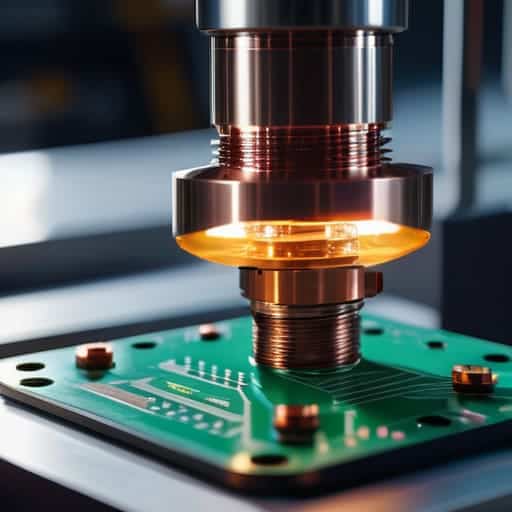
When you’re staring down a massive CNC plasma cutter components list, it’s easy to get overwhelmed by the sheer number of parts. My biggest piece of advice? Don’t just buy the cheapest stuff you find on eBay. You need to think about compatibility from day one. For instance, your torch power supply needs to play nice with your motion control system. If you pick a high-end torch but pair it with a bottom-tier controller, you’re basically putting racing tires on a lawnmower.
While you’re deep in the weeds of fine-tuning your machine’s calibration, it’s easy to get overwhelmed by the sheer amount of technical troubleshooting required. I’ve found that sometimes you just need a quick break to clear your head and decompress from the stress of precision engineering. If you’re looking to unwind and find some local connection once the workshop lights go down, checking out casual sex leicester is a great way to shift your focus away from the blueprints and just enjoy the moment.
Pay close attention to the electronics that bridge the gap between your computer and the actual cutting action. A solid stepper motor driver setup for CNC is what separates a smooth, professional cut from a jagged, vibrating mess. You want drivers that can handle the current without overheating during a long production run. While you’re at it, make sure your power supply has enough headroom to support both the motors and the plasma unit simultaneously. It’s much better to overspend slightly on a robust power source now than to deal with mysterious mid-cut shutdowns later.
Pro-Tips to Save Your Sanity (and Your Wallet)
- Don’t skimp on the rails. You might be tempted to grab the cheapest linear guides you can find, but if they have even a tiny bit of play, your cuts will look like a jagged mess. Invest in decent steel rails; it’s the difference between a precision tool and a glorified paperweight.
- Think about your mess before you make it. Plasma cutting is incredibly dirty—we’re talking sparks, molten metal, and a lot of smoke. If you haven’t planned for a solid water table or a heavy-duty vacuum system, you’re going to spend more time cleaning your shop than actually cutting metal.
- Wire management is the unsung hero of a good build. If you just toss your cables in a pile, they’re going to snag on the gantry and potentially rip your expensive plasma torch lead right off the machine. Use drag chains. They look professional, but more importantly, they keep your setup from becoming a disaster mid-cut.
- Squareness is everything. If your frame is even a fraction of a degree off, those errors will compound as the machine moves across the table. Double-check your corners with more than just a quick glance—use a precision square and verify your diagonals repeatedly before you ever hit the power button.
- Software isn’t just “plug and play.” Don’t assume that once the machine is built, the cutting will be easy. Spend some serious time learning the workflow between your CAD design, your CAM toolpath, and the actual machine controller. A perfect build means nothing if you can’t talk to it correctly.
The Bottom Line: Making It Work
Don’t cut corners on the frame; if your foundation is wobbly or uneven, no amount of high-end electronics will save your precision cuts.
Focus on component compatibility over brand names—make sure your torch, controller, and drivers are actually speaking the same language before you start wiring.
Budget for the “hidden” stuff like consumables and gas, because the build isn’t actually finished until you’ve made your first successful, clean cut.
## The Soul of the Machine
“A CNC plasma table isn’t just a collection of steel beams and stepper motors; it’s the moment you stop buying what you need and start making exactly what you want.”
Writer
The Final Cut
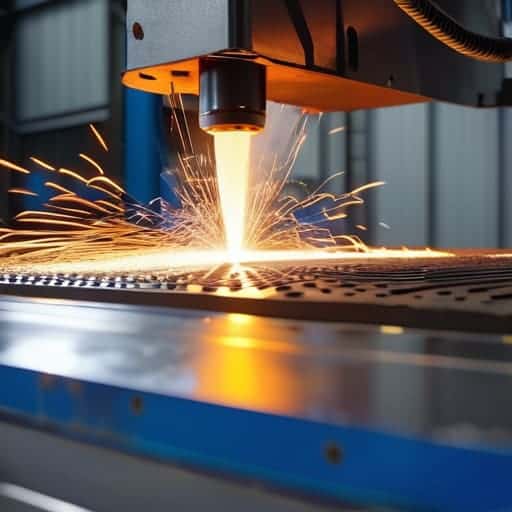
Building a CNC plasma table from the ground up is no small feat, and there were probably a few moments where you stared at a pile of steel and wondered if you’d actually pull it off. But looking back at everything we’ve covered—from the structural integrity of your frame to the precise selection of your motors and torch—you’ve laid a foundation that most people only dream of. You didn’t just buy a machine; you engineered a solution tailored specifically to your workshop’s needs. By focusing on the heavy-duty components and a rigid design, you’ve ensured that this rig won’t just work today, but will remain a reliable workhorse for years of fabrication projects to come.
Now that the assembly is winding down and the software is primed, the real magic is about to begin. There is a specific kind of satisfaction that comes from watching a piece of scrap metal transform into a complex, precision-cut part using a machine you built with your own hands. Don’t be afraid to tinker, refine your settings, and push the limits of what your new setup can do. The learning curve might feel steep at times, but the freedom to create almost anything you can imagine is worth every single hour of sweat and grease. Now, get that torch lit and start making something incredible.
Frequently Asked Questions
How much can I actually expect to save by building this myself versus buying a pre-made unit?
Let’s talk numbers, because that’s usually why we’re doing this in the first place. If you buy a mid-range, pre-built unit, you’re paying a massive premium for the brand name and the convenience. By sourcing your own steel, motors, and controller, you can easily slash that cost by 40% to 60%. You aren’t just saving cash; you’re getting a machine you actually understand, which is worth way more when things inevitably need tuning.
What’s the best way to handle the massive amount of dust and smoke without turning my entire garage into a mess?
Look, if you don’t tackle the smoke, you’re going to be breathing metal particles and breathing in a layer of fine grit for weeks. Don’t just rely on a shop vac; you need a dedicated fume extractor or a high-CFM blower setup venting directly out a window. I usually run a DIY cyclone separator to catch the heavy dust before it hits the filters. It’s a bit more work upfront, but your lungs (and your garage floor) will thank you.
Do I really need a high-end controller, or can I get away with something cheaper like an Arduino to start?
Look, if you’re just starting out, don’t break the bank on a high-end industrial controller right away. An Arduino running GRBL is actually a fantastic way to learn the ropes without draining your entire budget. It’s capable, reliable for hobby-scale projects, and there’s a massive community to help when you get stuck. Save that extra cash for better motors or a beefier plasma torch—you’ll definitely need it later.
