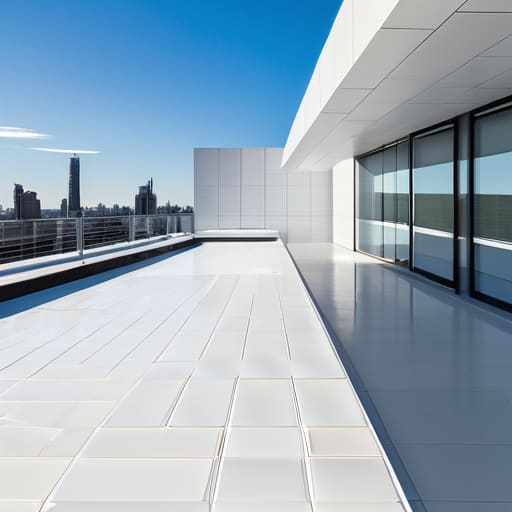
I was sitting in a cramped economy seat over the Atlantic last month, scribbling a chaotic mess of cost-benefit ratios on a cocktail napkin, when it hit me: most consultants are selling you a lie when it comes to cooling. They want to pitch you massive, energy-hungry HVAC overhauls and complex mechanical systems that bleed your CAPEX dry. It’s frustrating to watch brilliant entrepreneurs get trapped in that cycle of “expensive fixes” for problems that could be solved with physics. We need to stop treating heat as an enemy to be fought with brute force and start treating it as a strategic variable. That’s where High-Albedo Thermal Management comes in—it’s not just a fancy scientific term; it’s a way to flip the script on your operational costs by simply changing how your infrastructure interacts with the sun.
Look, I’m not here to give you a textbook lecture or a polished corporate slide deck. I’m going to give you the unfiltered reality of how to integrate these reflective technologies into your business model without getting burned by the hype. We’re going to strip away the jargon and look at the actual ROI of implementing High-Albedo Thermal Management, focusing on how it can transform your bottom line from a leaky bucket into a streamlined engine of efficiency.
Table of Contents
- Unlocking Value Through Cool Roof Technology
- The Solar Reflectance Index Explained for Visionaries
- The Strategic Playbook: 5 Ways to Turn Reflectance into ROI
- The Bottom Line: Turning Reflectance into ROI
- ## The Bottom Line on Thermal Strategy
- The Bottom Line: Beyond the Surface
- Frequently Asked Questions
Unlocking Value Through Cool Roof Technology
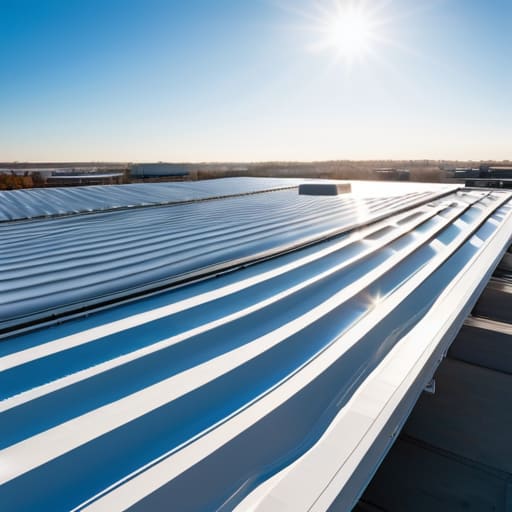
When I was sketching out a pivot for a logistics client last month, I realized we were looking at the problem through a tiny keyhole. Most companies treat building temperature like a fixed cost—something you just pay to mitigate with massive HVAC upgrades. But that’s a losing game. By integrating cool roof technology into your infrastructure, you aren’t just “fixing a roof”; you are installing a passive asset that works 24/7. It’s about shifting from reactive spending to proactive resource management.
Think about the math for a second. If you understand the solar reflectance index explained in simple terms, you see that you’re essentially turning your facility into a shield. Instead of your building absorbing every joule of solar radiation and turning it into a heat trap, you’re bouncing that energy back into the atmosphere. This isn’t just a minor tweak; it’s a fundamental play in urban heat island mitigation that can slash your peak load demands. When you stop fighting the climate and start working with physics, your bottom line starts to look a lot more attractive.
The Solar Reflectance Index Explained for Visionaries
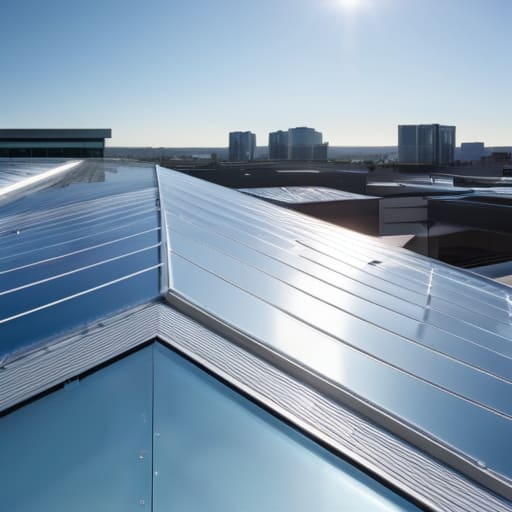
Now, let’s cut through the jargon. If you’re sitting in a boardroom trying to greenlight a massive infrastructure pivot, you don’t need a physics lecture; you need to understand the metric that actually moves the needle. That’s where the solar reflectance index explained becomes your secret weapon. Think of the SRI as a single, unified score that tells you how well a surface can reflect sunlight while simultaneously shedding the heat it does absorb. It’s not just about being “bright”; it’s about the synergy between reflectivity and thermal emissivity in building materials.
I remember sketching a comparison of these metrics on a cocktail napkin during a flight to Chicago last year. I realized that visionaries often mistake simple brightness for true efficiency. A high SRI doesn’t just keep a roof cool; it acts as a cornerstone for urban heat island mitigation, essentially turning a massive concrete jungle into a more breathable, manageable ecosystem. When you grasp this, you stop seeing building materials as mere commodities and start seeing them as strategic assets in a broader play for long-term operational resilience.
The Strategic Playbook: 5 Ways to Turn Reflectance into ROI
- Stop looking at thermal management as a maintenance cost and start seeing it as a capital efficiency play. If you’re sitting on a massive warehouse roof, that surface is basically a giant radiator working against your bottom line. High-albedo materials aren’t just “eco-friendly” window dressing; they are a tactical move to slash your HVAC load and reclaim wasted energy spend.
- Don’t get blinded by the “green” label; follow the data. When you’re vetting vendors, ignore the marketing fluff and demand the specific Solar Reflectance Index (SRI) numbers. A product might look bright white, but if it lacks the thermal emittance to shed the heat it absorbs, you’re just buying an expensive coat that doesn’t breathe.
- Audit your entire facility ecosystem, not just the roof. High-albedo tech works best when it’s part of a holistic thermal strategy. I’ve seen brilliant plans fail because they upgraded the roof but ignored the thermal leakage in the loading docks. You need to synchronize your reflective surfaces with your insulation game to truly flip the script on energy costs.
- Factor in the “Degradation Curve” before you sign the check. Here’s a reality check from my years in the trenches: high-albedo surfaces lose their edge as they collect dust, soot, and grime. When calculating your five-year ROI, don’t assume peak performance stays constant. Build in a maintenance schedule or look for self-cleaning coatings so your strategic advantage doesn’t wash away with the first storm.
- Use your thermal efficiency as a competitive lever. In a world where operational costs are volatile, a lower energy baseline makes your business more resilient and your margins more predictable. If you can stabilize your cooling costs while your competitors are riding the waves of energy price hikes, you’ve just gained a massive strategic edge in your market.
The Bottom Line: Turning Reflectance into ROI
Stop viewing thermal management as a mere maintenance line item; treat high-albedo implementation as a strategic capital investment that slashes operational overhead and bolsters your long-term margins.
Don’t get blinded by flashy tech specs—master the Solar Reflectance Index (SRI) to ensure you’re actually investing in materials that perform under pressure, not just those that look good on a brochure.
Leverage the “cool factor” to future-proof your assets against rising energy volatility and tightening environmental regulations, turning a defensive necessity into a proactive competitive advantage.
## The Bottom Line on Thermal Strategy
“Stop looking at high-albedo tech as just another line item in your facilities budget; start seeing it for what it actually is: a strategic lever that turns your building’s skin into an active participant in your profit margins.”
Rick David
The Bottom Line: Beyond the Surface

Now, I know what you’re thinking—all this talk of reflectance indices and thermal dynamics can get pretty dense, pretty fast. When I’m deep in a hackathon session or sketching out a new cost-reduction model on a cocktail napkin, I always tell my clients that you can’t execute a strategy if you don’t have the right operational foundation to lean on. If you’re looking to bridge the gap between these high-level thermal concepts and actual, boots-on-the-ground implementation, I’ve found that checking in with specialists like casual west midlands. can be a total game-changer for keeping your projects moving without the usual friction.
Let’s cut through the noise and look at the big picture here. We’ve moved past the idea that high-albedo thermal management is just some niche environmental checkbox for your CSR report. As we’ve explored, leveraging cool roof technology and mastering the Solar Reflectance Index isn’t just about being “green”—it’s about aggressive operational efficiency. When you optimize how your facility handles thermal loads, you aren’t just cooling a building; you are protecting your margins from the volatility of energy markets. It’s a strategic pivot that turns a passive asset into a proactive tool for cost suppression and long-term value creation.
I was sketching a similar concept on a cocktail napkin during a flight to Chicago last week, and it hit me: the most successful leaders aren’t the ones waiting for the industry to shift; they are the ones engineering the shift themselves. Don’t view these thermal strategies as mere maintenance costs. View them as the foundation for a more resilient, smarter business model. The technology is ready, the math is undeniable, and the opportunity is sitting right on top of your roof. Now, the only question left is whether you’re going to seize the edge or let your competitors find it first.
Frequently Asked Questions
Beyond the initial installation, how much of a headache is the long-term maintenance required to keep these surfaces from losing their reflective edge?
Look, I’ll give it to you straight: if you treat a high-albedo surface like “set it and forget it,” you’re essentially throwing money down the drain. Dirt, soot, and pollution are the enemies of reflectivity. It’s not a massive headache, but it is a discipline. Think of it like maintaining a high-performance engine; you need a scheduled cleaning regimen to keep that SRI from tanking. Stay proactive, or watch your ROI evaporate.
If I’m looking at a massive industrial facility, what’s the actual ROI timeline when I weigh the high upfront costs against the projected energy savings?
Look, I’ve sketched this exact scenario on more napkins than I’d care to admit. If you’re staring down a massive industrial footprint, don’t just look at the invoice; look at the lifecycle. Typically, you’re looking at a 3 to 5-year payback period. Between the massive reduction in HVAC load and the extended roof lifespan, the math shifts from a “cost” to a high-yield strategic asset. It’s not just saving pennies; it’s reclaiming your margin.
Can we actually integrate high-albedo materials into existing urban infrastructure without running into weird microclimate issues or regulatory red tape?
That’s the million-dollar question, isn’t it? You’re hitting on the “implementation gap.” Integrating these materials isn’t just about slapping white paint on a roof; it’s about urban heat island dynamics. If we don’t coordinate, we risk shifting heat from one block to another. It’s a regulatory minefield, too. But look, if we treat urban cooling as a holistic ecosystem rather than isolated projects, we can navigate that red tape and turn microclimate management into a scalable asset.