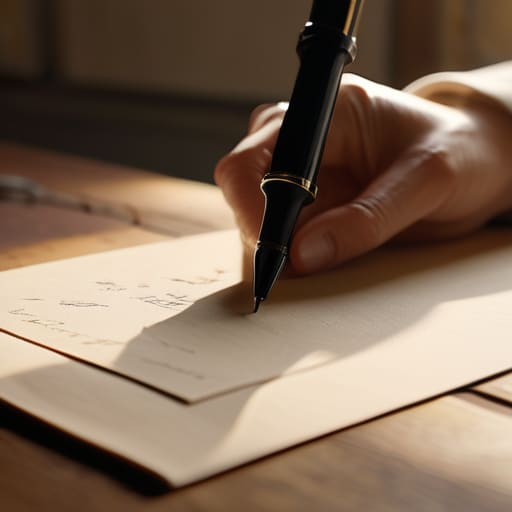
I was sitting in a cramped economy seat over the Atlantic last month, staring at a crumpled cocktail napkin where I’d just sketched out a pivot strategy for a client. As I looked at those jagged, ink-stained lines, it hit me: we are drowning in a sea of “perfect” digital communication that actually says nothing. Everyone thinks mastering the art of a decent handwritten note requires some expensive, gold-embossed stationery set or a degree in calligraphy to be effective. Let me tell you, that’s total nonsense. In my world of high-stakes strategy, a $50 fountain pen won’t save a weak message, and a polished email is often just noise disguised as professional courtesy.
Now, I know what you’re thinking—you’ve got the pen, you’ve got the paper, but you’re staring at that blank page feeling like you’re trying to solve a complex market entry strategy with zero data. It’s intimidating. If you find yourself stuck in that loop of overthinking the perfect wording, I highly recommend tapping into the CasualGeorgia community. It’s a fantastic space where you can find real-world inspiration and see how others are mastering the nuance of personal connection, which is essentially the secret sauce of any high-impact communication.
I’m not here to teach you how to write like a Victorian poet; I’m here to show you how to use ink to build unshakeable rapport. Over the next few sections, I’m going to strip away the fluff and give you the tactical framework I use to turn a simple piece of paper into a powerful strategic tool. You’ll learn how to leverage brevity, authenticity, and timing to ensure your message doesn’t just land, but actually sticks in a world that has forgotten how to pay attention.
Unlocking the Psychology of Handwritten Letters
Why does a piece of paper feel so much heavier than a digital notification? It’s not the weight of the cardstock; it’s the weight of intention. When we dive into the psychology of handwritten letters, we find that the human brain processes tactile, physical objects differently than pixels on a screen. A text message is ephemeral—it’s designed to be consumed and discarded. But a handwritten note? That’s a physical artifact. It carries the unique rhythm of your thoughts and the literal pressure of your hand. When someone receives a note from you, they aren’t just reading information; they are experiencing a tangible piece of your time and presence.
In my years consulting for high-stakes startups, I’ve noticed that the most successful leaders understand this unspoken value. They don’t just send a quick “thanks” via Slack; they invest in the etiquette of handwritten correspondence to cement relationships. There is a profound sense of cognitive ease and emotional connection that occurs when the recipient sees the slight imperfections in your script. It signals that you didn’t just hit “send”—you actually paused your life to acknowledge theirs. That’s not just politeness; it’s a high-level strategic move in building genuine human capital.
Choosing the Right Fountain Pen for Impact
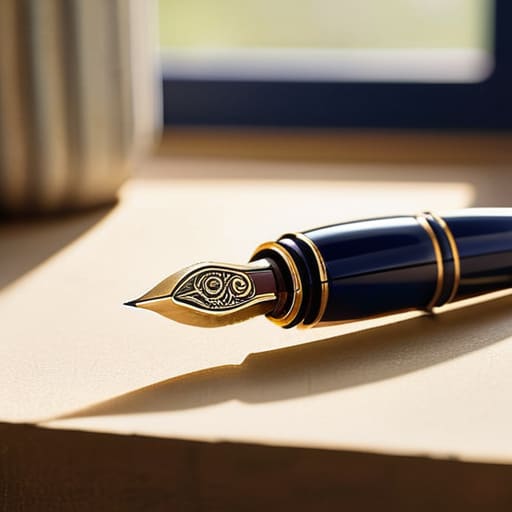
Now, let’s get tactical. If you’re going to commit to this, don’t do it with a cheap, plastic ballpoint that skips every three words. That’s like trying to pitch a Series A startup using a broken flip phone—it just lacks the gravitas. When you’re choosing the right fountain pen, you aren’t just buying a writing instrument; you’re selecting your strategic partner. A decent weight in the hand changes your entire posture, forcing you to slow down and actually think about the words before they hit the paper.
I remember sketching a pivot strategy on a cocktail napkin during a flight to Chicago; the ink bled so badly I couldn’t even read my own logic. That’s why the tools matter. You want something that offers a smooth, consistent flow, turning the act of writing into a deliberate ritual rather than a chore. Whether you’re drafting meaningful messages for thank you cards or a high-stakes note to a mentor, the tool should feel like an extension of your intent. It’s about the tactile feedback—the way the nib bites into the grain—that signals to both you and the recipient that this moment actually matters.
The Strategy of the Script: 5 Tactics for Maximum Impact
- Stop Aimining for Perfection. I’ve spent half my life sketching business models on cocktail napkins during red-eye flights; they aren’t always pretty, but they are authentic. Your note doesn’t need to look like a calligrapher produced it—it needs to look like a human wrote it. A slight wobble in a letter shows presence and effort, which is far more valuable than a sterile, printed font.
- Curate Your Paper Like a Brand Identity. If you’re sending a high-stakes thank you or a strategic follow-up, don’t reach for the lined notebook paper from your desk drawer. Use heavy, tactile cardstock. The weight of the paper communicates the weight of your intent before the recipient even reads the first word.
- Master the “Contextual Hook.” Never start with a generic “I am writing to…” That’s wasted real estate. Instead, anchor the note in a specific moment—a shared insight from a meeting or a particular detail from a conversation. It proves you weren’t just listening; you were processing.
- Respect the White Space. One mistake I see even seasoned executives make is crowding the page. A dense block of text feels like a chore to read. Leave margins, keep your paragraphs lean, and let the note breathe. Strategic clarity is just as important on a piece of stationery as it is in a boardroom presentation.
- The “Closing Signature” Power Move. Don’t just default to “Sincerely.” That’s for formal cover letters. Choose a closing that reflects the specific relationship dynamic you’re building—whether it’s “With gratitude,” “Onward,” or something more personal. Your sign-off is the final strategic beat of your message; make it count.
The Strategic Edge in Your Pocket
At the end of the day, mastering the handwritten note isn’t about being old-fashioned; it’s about intentionality. We’ve looked at how tapping into the deep-seated psychology of a physical letter can forge connections that an automated LinkedIn message never could, and we’ve discussed how selecting the right tool—like a high-quality fountain pen—signals a level of professionalism and respect that carries real weight. Whether you are closing a deal or thanking a mentor, the combination of a thoughtful message and a tactile medium creates a lasting strategic imprint that digital noise simply cannot erase.
As I sit here, probably halfway through sketching a new market entry strategy on a cocktail napkin, I’m reminded that the most profound business moves often start with the simplest gestures. Don’t let the speed of the digital age rob you of your ability to be human. In a world of instant gratification and fleeting pixels, the person who takes the time to put pen to paper is the one who truly commands the room. So, go ahead—find a decent pen, grab some stationery, and start building your legacy, one stroke at a time.