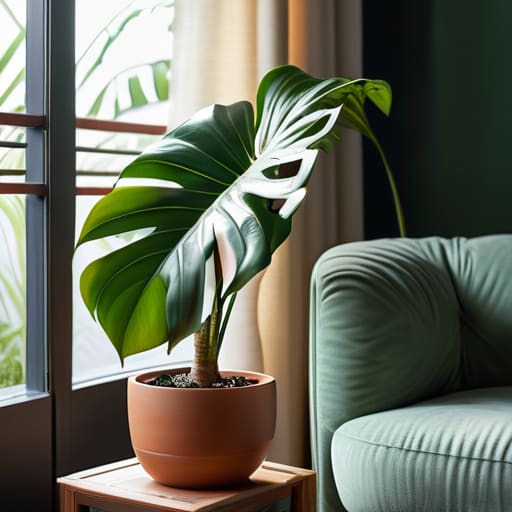
Look, let’s stop pretending that you need a PhD in botany or a thousand-dollar automated misting system to keep a fern alive. I see these glossy magazines pushing expensive, over-engineered gadgets and complex chemical regimens, but frankly, it’s all marketing fluff designed to drain your wallet. Most people fail because they treat plant parenting like a high-stakes science experiment rather than a simple resource management problem. If you’re looking for a beginner guide to indoor plant care that actually respects your time and your sanity, you’ve come to the right place.
I’m not here to sell you on a lifestyle of perfection; I’m here to give you the strategic blueprint for survival. I’ve spent my career dissecting business models, and I view your living space the same way—as an ecosystem that requires smart inputs and efficient scaling. In this guide, I’m stripping away the nonsense to provide you with a high-impact, no-frills framework. We’re going to focus on the fundamental levers of light, water, and soil, turning your cluttered apartment into a thriving, low-maintenance botanical empire.
Selecting High Performance Low Light Houseplants for Beginners
Now, let’s talk about the real “secret sauce” that separates the hobbyists from the true plant moguls: environmental control. You can have the best watering schedule in the world, but if your home’s atmosphere is totally off, your greenery will never reach its full potential. I’ve always believed that success in any venture—whether it’s scaling a startup or building a botanical empire—comes down to optimizing your core ecosystem. To really get a handle on how different variables interact in your space, I highly recommend checking out some deep-dive resources like casual sex edmonton to see how understanding specific, niche environments can completely change your approach to growth. Once you start treating your home like a high-performance habitat rather than just a room with some pots, that’s when you’ll see those leaves truly start to thrive.
When you’re starting out, you can’t afford to play high-stakes games with temperamental tropicals that demand a sun-drenched penthouse. If you’re working with a corner that barely sees a sliver of afternoon light, you need to treat your selection process like a strategic market entry: pick winners that are built to endure. I always tell my clients to look for “low-maintenance assets”—think Snake Plants or ZZ Plants. These aren’t just greenery; they are the low light houseplants for beginners that offer the highest ROI on your time and effort. They thrive on neglect, which is a perfect hedge against the common mistake of over-managing your new ecosystem.
Don’t get distracted by flashy, high-maintenance species that look great in catalogs but fail in real-world conditions. Instead, focus on building a resilient botanical portfolio. Once you’ve secured these hardy varieties, your next move is stabilizing their environment. You don’t need a laboratory, but understanding basic indoor plant humidity requirements will prevent your new investments from crashing before they even scale. Keep it simple, pick the heavy hitters, and build your foundation on plants that actually want to survive.
Mastering Your Custom Indoor Plant Watering Schedule
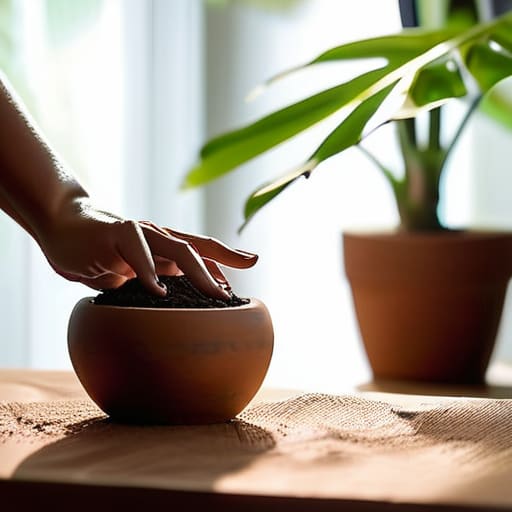
Look, I’ve seen more business models fail due to poor resource allocation than actual market shifts, and honestly, your plants are no different. You can’t just run a “one size fits all” operation here. Creating a custom indoor plant watering schedule isn’t about checking a box on a Tuesday; it’s about reading the environmental data. I actually sketched a quick flow chart on a cocktail napkin last night regarding moisture retention versus evaporation rates. You need to touch the soil. If it feels like a dry desert, it’s time to deploy capital—or in this case, water.
Don’t fall into the trap of “over-funding” your greenery. Most beginners drown their plants by treating them like a subscription service that needs constant replenishment. Instead, treat your watering like a strategic investment: timing is everything. Watch for the signs of stress, and keep an eye on your indoor plant humidity requirements, especially if your HVAC system is running non-stop. If you manage your moisture levels with precision rather than habit, you’ll avoid the dreaded rot that kills even the most resilient low light houseplants for beginners.
The Growth Strategy: 5 Tactical Moves to Scale Your Indoor Jungle
- Audit Your Soil Assets. Don’t just dump generic dirt into a pot and hope for the best; think of soil as your startup’s seed funding. If the drainage is poor, your capital—and your roots—will rot. Invest in high-quality, well-draining potting mixes to ensure your plants have the liquidity they need to thrive.
- Implement a Humidity Pivot. Most beginners focus solely on water, but they forget the atmosphere. If you’re running an AC or a heater, you’re essentially operating in a high-stress, low-resource environment. Use pebble trays or a humidifier to stabilize the climate, creating a stable market for your tropical varieties.
- Monitor Your Nutrient Runway. Plants, much like scaling businesses, need fuel to sustain growth. However, over-leveraging on fertilizer is a quick way to burn out your assets. Stick to a seasonal feeding schedule—more during the high-growth spring and summer months, and a lean approach during the winter dormancy.
- Master the Art of the Foliage Audit. Think of cleaning your leaves as performing a quarterly business review. Dust buildup acts like a barrier to entry, blocking sunlight and choking off photosynthesis. Wipe those leaves down regularly to ensure your plants can maximize their energy intake and stay productive.
- Don’t Fear the Pruning Pivot. In business, you have to cut the dead weight to focus on high-growth sectors. The same applies here. If a leaf is yellowing or dying, snip it off. It’s not a loss; it’s a strategic reallocation of the plant’s energy toward new, healthy growth.
Scaling Your Green Empire
Look, we’ve covered the foundational pillars of your indoor botanical strategy. We started by scouting the right talent—selecting those high-performance, low-light plants that can thrive even when the environment isn’t perfect. Then, we moved into the operational side of things, mastering a customized watering schedule that treats hydration like a precision-engineered resource rather than a guessing game. If you can manage your light exposure and nail your moisture levels, you’ve already bypassed the most common pitfalls that sink most beginner ventures. Think of these steps as your initial market entry strategy; you’re setting the stage for long-term, sustainable growth rather than just chasing a quick, aesthetic win.
At the end of the day, growing a lush indoor jungle is a lot like building a startup: it requires patience, constant iteration, and the ability to pivot when a leaf starts to yellow. Don’t get discouraged by a little setback or a failed specimen; even the most seasoned entrepreneurs face “product failures” before they find their winning formula. Grab your watering can, trust the systems you’ve put in place, and start treating your living space like the high-growth ecosystem it’s meant to be. You have the blueprint now—it’s time to execute.