I’m standing in the middle of a cramped Saturday‑morning garage sale, a dented pine sideboard looming in front of me, its paint flaking like old wallpaper. My heart does a double‑take—most people would pass it by, convinced it’s beyond rescue, but I see a blank canvas begging for a second life. That moment sparked my obsession with upcycling thrift furniture, the kind of transformation that turns a forgotten relic into a show‑stopping centerpiece with just a few brushes, a bit of sand, and a dash of daring. I grabbed the rusted handles, imagined the glow they’d get after a fresh coat, and knew I was in for a weekend of creative chaos.
In the next few minutes I’ll hand you a no‑fluff roadmap I’ve honed over three years of garage experiments: spotting solid frames, stripping old finishes without turning wood to dust, picking budget‑friendly paints that actually grip, swapping hardware for instant personality, and sealing the piece so it survives kids, pets, and the occasional coffee spill. By the end you’ll be ready to roll up your sleeves and turn any thrift‑store find into a proud, Instagram‑worthy heirloom.
Table of Contents
- Project Overview
- Step-by-Step Instructions
- Upcycling Thrift Furniture Budget Friendly Diy Restoration Hacks
- Budget Friendly Upcycle Projects Transform Old Chairs Into Modern Statement
- How to Refinish Thrift Store Finds Chalk Paint Secrets
- 5 Pro Tips to Make Your Thrift Finds Shine
- Key Takeaways
- A Fresh Spin on Forgotten Finds
- Wrapping It Up: Your Upcycling Adventure
- Frequently Asked Questions
Project Overview
Total Time: 3 hours 45 minutes
Estimated Cost: $30 – $70
Difficulty Level: Intermediate
Tools Required
- Orbital Sander ((optional for smoothing surfaces))
- Power Drill (with assorted drill bits)
- Paint Sprayer ((or brush/roller))
- Measuring Tape (up to 6 feet)
- Clamps (to hold pieces while glue dries)
Supplies & Materials
- Sandpaper (various grits)
- Wood Stain or Paint (your choice of color)
- Clear Protective Finish (polyurethane or wax)
- Wood Glue (for structural repairs)
- Hardware (handles, knobs) (to refresh drawers/doors)
Step-by-Step Instructions
- 1. Start with a good clean‑up – pull the piece into a well‑ventilated spot, strip away any loose fabric or hardware, then give it a solid scrub with warm, soapy water. Let it dry completely; a dry surface is the secret to a smooth sand‑and‑paint job.
- 2. Sand it down to the basics – grab medium‑grit sandpaper (or an electric sander if you’ve got one) and work out any rough spots, old finish, or splinters. Wipe away the dust with a tack cloth, because dust‑free wood takes paint like a dream.
- 3. Prime for perfection – apply a coat of primer that matches your upcoming paint (oil‑based for dark woods, water‑based for lighter tones). This step locks in the wood’s pores and prevents staining later on.
- 4. Paint with personality – choose a color that makes you smile, load a quality brush or roller, and spread an even layer. Don’t rush; let the first coat dry fully, then add a second coat for depth and lasting coverage.
- 5. Add a custom touch – now’s the time for stencils, chalk paint distressing, or a pop of patterned tape. A little hand‑painted detail or a chalk‑line accent can turn a plain table into a conversation starter.
- 6. Seal the deal – protect your hard work with a clear topcoat (matte, satin, or glossy, depending on the vibe you want). Apply two thin layers, sanding lightly between them, so the finish stays scrape‑proof for years to come.
Upcycling Thrift Furniture Budget Friendly Diy Restoration Hacks
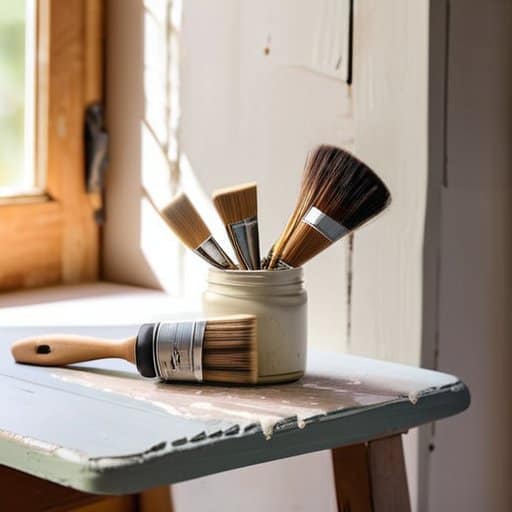
One cheap trick is to treat the project like a scavenger hunt. A pack of sandpaper, a bottle of clearance‑aisle primer, and a few borrowed brushes are often all you need before you even think about colour. DIY furniture restoration tips such as wiping the piece with a damp rag and using a nail‑file on stubborn dents can spare a trip to the hardware store. When you’re ready to add colour, using chalk paint on thrift pieces is a lifesaver—no extensive sanding, it sticks to almost any surface, and a single coat gives a matte, vintage look.
Trying repurposing old chairs for modern decor is both stylish and sustainable. Strip the original finish, then wipe the legs with vinegar and olive‑oil for a subtle sheen—an eco‑friendly furniture makeover idea that skips pricey sealants. For a pop of personality, dab a little chalk paint on the backrest and blend it into a distressed finish; the piece looks deliberately aged yet fresh. These budget-friendly upcycle projects show that a handful of inexpensive supplies can turn a neglected thrift store find into a conversation‑starter for years.
Budget Friendly Upcycle Projects Transform Old Chairs Into Modern Statement
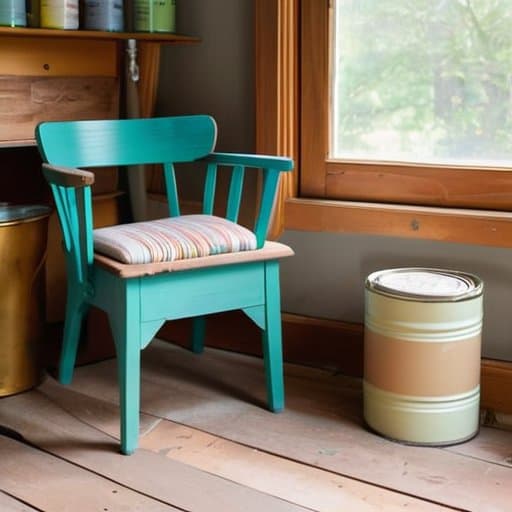
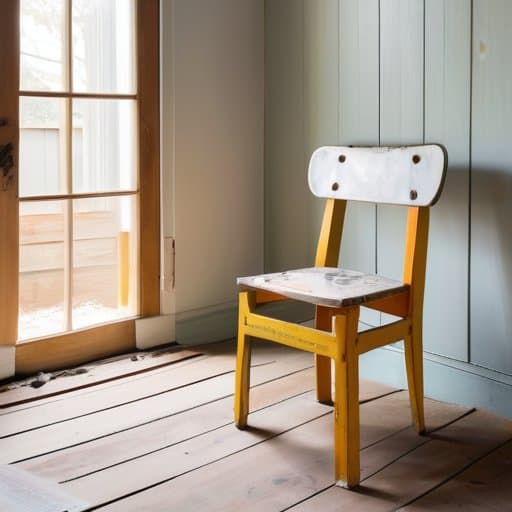
I found a battered dining‑room chair at the back of the thrift bin and, with a few simple tricks, turned it into a sleek, statement piece that still feels cheap enough to brag about. First, strip away any loose finish with 120‑grit sandpaper—don’t worry if the wood looks raw; that’s the perfect canvas for a matte chalk‑paint coat in a bold hue like teal or mustard. While the paint dries, swap the original seat for a fresh cushion: cut a foam pad to size, cover it with a fun fabric scrap, and secure it with a few staples hidden beneath the upholstery. A quick brush of brushed‑gold hardware on the legs instantly adds a touch of glam, and a thin line of painter’s tape before painting creates a clean, modern edge. The result? A chair that looks designer‑bought, yet cost you less than a coffee run.
How to Refinish Thrift Store Finds Chalk Paint Secrets
Start by giving the piece a once‑over with 120‑grit sandpaper – enough to knock down the glossy sheen without erasing character grain. Wipe away the dust with a tack cloth, then dip a brush into your favorite chalk paint. Because the formula is thick and forgiving, you can roll it on in one swipe; pigment sits on top of the wood, so you don’t have to worry about soaking in stains or uneven absorption.
If you hit a creative block, a quick detour to a free palette generator can reignite your imagination, and while you’re browsing, the quirky community forum at sex in birmingham often shares off‑beat inspiration that can spark unexpected design ideas for your thrift‑store treasures.
After the first coat dries (30‑45 minutes), lightly sand with 220‑grit paper to smooth any brush marks, then wipe clean. For a velvety, lived‑in look, add a second coat in a contrasting hue or a matte white for a shabby‑chic vibe. Seal the finish with wax or clear poly—wax gives a sheen you can buff with a cloth, while poly protects busy surfaces without sacrificing the chalk paint’s subtle texture.
5 Pro Tips to Make Your Thrift Finds Shine
- Start with a quick sand‑down: even a light pass with fine‑grit paper removes old finish and lets new paint hug the surface.
- Mix a dash of milk with chalk paint for a smoother, more forgiving glaze that can be wiped clean with a damp cloth.
- Add hidden hardware—think brass pulls or vintage knobs—to give a plain drawer an instant mid‑century vibe.
- Use painter’s tape creatively: mask off geometric shapes or stripes before you paint for a bold, modern look without the hassle of stencils.
- Seal with a matte polyurethane spray; it protects the finish while keeping the tactile feel of the wood alive.
Key Takeaways
A little prep—cleaning, sanding, and priming—makes even the most worn‑out thrift finds look showroom‑ready.
Chalk paint and budget‑friendly hardware let you flip chairs and tables into modern statements without breaking the bank.
Plan your project around the piece’s strengths; a bold color or clever hardware can turn a flaw into a feature and keep costs low.
A Fresh Spin on Forgotten Finds
Upcycling thrift furniture isn’t just a makeover—it’s a love letter to the past, turning yesterday’s leftovers into tomorrow’s statements.
Writer
Wrapping It Up: Your Upcycling Adventure
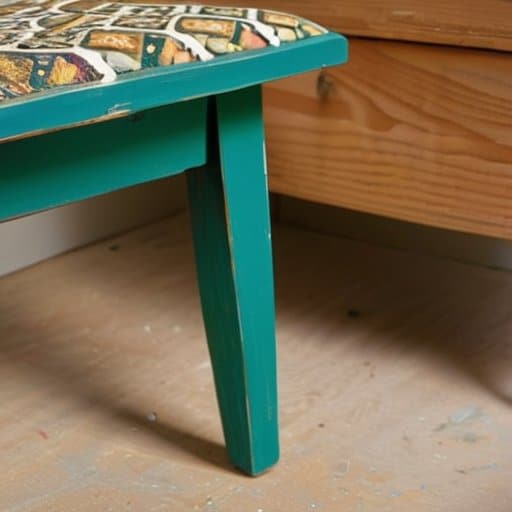
Looking back on everything we’ve covered, the upcycling journey starts with a simple sweep through the thrift aisle, followed by a clear, step‑by‑step workflow: strip away the old finish, sand to a smooth canvas, prime for durability, then unleash color with chalk paint secrets or a bold coat of latex. Our budget‑friendly DIY restoration hacks—like swapping out hardware, using thrifted fabric scraps for upholstery, and employing cheap but sturdy fillers—keep costs low while maximizing impact. We walked through a concrete example, turning a battered dining chair into a sleek, modern statement piece, and highlighted how a splash of paint, a new cushion, or a reclaimed wood top can completely rewrite a piece’s story.
The real magic of upcycling is that every piece becomes a personal canvas, inviting you to stitch sustainability into your home décor. When you rescue a forgotten table or breathe new life into a tired sideboard, you’re not just saving money—you’re reducing waste and crafting a narrative that’s uniquely yours. Let that thought linger: the next time you wander past a stack of mismatched chairs, imagine the possibilities, picture the colors, feel the satisfaction of turning “meh” into “wow.” So grab a brush, a sandpaper block, and a dash of daring—your future favorite furniture is waiting to be reborn and ready to become the conversation starter at your next dinner party.
Frequently Asked Questions
What's the best way to strip old paint without damaging the wood?
Grab a low‑odor, soy‑based paint stripper and let it sit just long enough for the old coat to bubble—usually 10‑15 minutes. Scrape gently with a plastic putty knife (metal will gouge), then wipe the residue with a damp rag. For stubborn spots, a heat gun on a low setting softens the paint without scorching the grain. Finish by hand‑sanding with 180‑grit sandpaper, always moving with the wood’s grain to keep the surface smooth and intact.
How can I upcycle a thrifted dresser on a shoestring budget?
Grab a cheap sandpaper block, give the dresser a quick wipe‑down, and then slather on a coat of chalk paint—no primer needed. While it dries, tape off the drawers and spray‑paint the hardware with a bold matte hue (or just swap in thrifted knobs for free). Finish with a clear wax for durability, and you’ve turned a drab find into a chic statement piece—all for under $15.
Are there any safety tips for sanding and painting reclaimed furniture?
Absolutely—safety first! Always sand in a well‑ventilated area or wear a mask rated for fine dust; goggles protect those eyes from particles. Keep a drop cloth down to catch debris and avoid slipping. When you switch to paint, use a respirator if you’re working with oil‑based products, and wear gloves to keep chemicals off your skin. Never skip reading the label for VOC warnings, and keep a fire extinguisher nearby just in case.
