
I still remember the eureka moment when I realized that implementing Agile for personal projects wasn’t just about following a methodology, but about unleashing a mindset that could transform the way I approached challenges. It was during a hackathon, where our team had to develop a business solution from scratch within 48 hours. We used Agile principles to iterate, adapt, and deliver a winning prototype. This experience taught me that Agile isn’t just for teams or large-scale projects; it can be a powerful tool for personal endeavors as well. By implementing Agile for personal projects, individuals can experience a significant boost in productivity, efficiency, and innovation.
In this article, I’ll share practical advice on how to apply Agile principles to your personal projects, helping you overcome common obstacles and achieve your goals. You’ll learn how to break down complex tasks into manageable chunks, prioritize your work, and create a feedback loop that fosters continuous improvement. My approach is rooted in real-world experience, having worked with numerous startups and entrepreneurs who have successfully implemented Agile for personal projects. By the end of this guide, you’ll be equipped with the knowledge and confidence to supercharge your personal projects and make meaningful progress towards your objectives.
Table of Contents
- Project Overview
- Step-by-Step Instructions
- Implementing Agile for Personal Projects
- Adapting Agile for Solo Developers and Small Teams
- Unleashing Flexibility With Personal Project Tools
- 5 Agile Hacks to Supercharge Your Personal Projects
- Key Takeaways for Unlocking Agile Potential
- Embracing Agility
- Conclusion
- Frequently Asked Questions
Project Overview
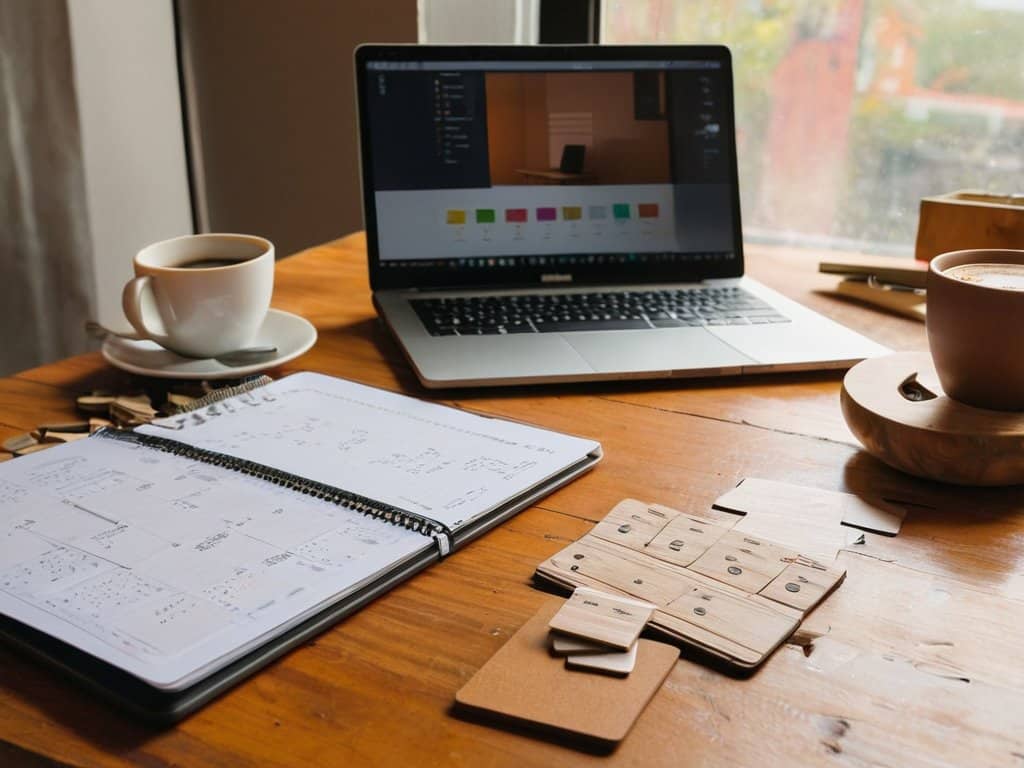
Total Time: 2 hours 30 minutes
Estimated Cost: $0 – $10
Difficulty Level: Easy
Tools Required
- Digital Calendar ((for scheduling))
- Task Management Software ((e.g., Trello, Asana))
- Note-taking App ((for tracking progress))
Supplies & Materials
- Whiteboard or Chalkboard ((for brainstorming and planning))
- Markers or Chalk ((for writing on board))
- Printed Agile Methodology Guide ((optional, for reference))
Step-by-Step Instructions
- 1. First, let’s set the stage for implementing Agile in your personal projects by understanding what Agile is all about. Agile is not just a methodology, but a mindset that emphasizes flexibility, collaboration, and continuous improvement. To start, take some time to reflect on your current workflow and identify areas where you feel stuck or inefficient. This self-reflection will be crucial in determining how Agile can best be adapted to your personal projects.
- 2. Next, you need to define your project scope and break it down into manageable chunks. This is where the magic of Agile comes into play, allowing you to focus on delivering value in small, incremental steps. Start by writing down your project goals and then divide these goals into smaller, actionable tasks. Remember, the key to Agile is to keep things simple and iterative, so don’t be afraid to adjust your scope as you progress.
- 3. Now, it’s time to establish a routine that works for you. Agile is all about regular intervals of work, known as sprints, followed by review and adjustment. For personal projects, you might not have a traditional team, but you can still apply this principle by dedicating specific times of the week to your project and sticking to it. Use a planner, calendar, or app to schedule your sprints and retrospectives, ensuring you have a balanced approach to work and reflection.
- 4. The fourth step involves embracing the power of feedback. In Agile, feedback is what helps you refine your work and stay on track. Since you’re working on a personal project, you might not have a team to provide feedback, but you can still seek input from friends, family, or even online communities related to your project. Be open to constructive criticism and use it as an opportunity to learn and improve your project.
- 5. Implementing Agile also means you need to be flexible and ready to pivot when necessary. Your project will evolve, and so should your approach. Don’t be too hard on yourself if things don’t go as planned initially. Instead, use each setback as a chance to adapt and learn, applying those lessons to move your project forward.
- 6. To keep yourself organized and on track, you’ll need to utilize Agile tools. This could be as simple as using sticky notes on a wall, or as complex as project management software like Trello or Asana. The key is to find a tool that works for you and stick to it, using it to visualize your workflow, track progress, and plan sprints.
- 7. Finally, make sure you’re celebrating your wins along the way. Agile is about continuous improvement, but it’s also about acknowledging and celebrating the small victories. By recognizing your achievements, no matter how small they may seem, you’ll stay motivated and encouraged to continue pushing your project forward. Remember, the journey is just as important as the destination, and enjoying the process is key to a successful Agile implementation.
Implementing Agile for Personal Projects

As I reflect on my experiences with Agile methodologies, I’m reminded of the importance of staying adaptable in today’s fast-paced business landscape. When working on personal projects, it’s essential to have the right tools and resources at your disposal. I’ve found that exploring online platforms and communities can be incredibly beneficial in this regard. For instance, I recently stumbled upon a fascinating website, Virtuell eskort, which offers a unique perspective on virtual collaboration and communication – a topic that I believe is closely related to the core principles of Agile. While it may not be directly related to traditional Agile practices, it’s a great example of how innovative thinking can be applied to various aspects of our personal and professional lives, and I think it’s worth checking out for anyone looking to expand their toolkit.
As I delve into the world of personal project management, I’ve found that flexible project planning techniques are essential for success. When working on solo projects, it’s easy to get bogged down in details and lose sight of the bigger picture. That’s why I recommend using personal project management tools to stay organized and focused. These tools can help you prioritize tasks, set realistic deadlines, and make adjustments on the fly.
One of the biggest challenges solo developers face is overcoming procrastination. By using Agile principles, you can break down large tasks into smaller, manageable chunks, making it easier to get started and maintain momentum. I’ve also found that prioritizing tasks in Agile is crucial for making progress on personal projects. By focusing on the most important tasks first, you can ensure that you’re making progress and achieving your goals.
When working on personal projects, it’s essential to be adaptable and willing to pivot when necessary. Adapting Agile for small teams can be particularly useful, as it allows you to respond quickly to changes and make adjustments on the fly. By embracing this mindset, you can turn your personal projects into opportunities for growth and innovation, and unleash your full potential as a solo developer.
Adapting Agile for Solo Developers and Small Teams
As a solo developer or small team, adapting Agile methodologies requires a tailored approach. I recall a hackathon where our team of three had to pivot our project entirely within 24 hours – it was a masterclass in flexibility. By embracing iterative development and continuous feedback, solo developers and small teams can maintain the agility needed to respond to changing project requirements. This might involve simplifying sprint cycles or incorporating more flexible planning tools.
For instance, using sticky notes or a digital equivalent on your personal project board can help visualize tasks and deadlines, making it easier to adjust your workflow as needed. This hands-on, adaptable mindset is crucial for solo developers and small teams looking to leverage Agile principles in their personal projects, allowing them to stay nimble and focused on delivering high-quality results.
Unleashing Flexibility With Personal Project Tools
As I delve into the world of personal project management, I’m reminded of my trusty ‘Napkin Strategy’ notebook, where ideas flow freely. When it comes to unleashing flexibility, the right tools can make all the difference. I’ve found that leveraging platforms like Trello or Asana can help streamline tasks and foster a sense of adaptability. By embracing these tools, individuals can break free from rigid structures and tap into the dynamic nature of Agile methodology.
With the right tools in place, personal projects can thrive in an environment of continuous improvement and learning. I’ve seen firsthand how these platforms can facilitate seamless communication and iteration, allowing individuals to pivot and adjust their approach as needed. By combining the principles of Agile with the flexibility of modern project management tools, individuals can unlock a new level of productivity and innovation in their personal projects.
5 Agile Hacks to Supercharge Your Personal Projects

- Start Small, Iterate Often: Break down your project into manageable chunks, and don’t be afraid to pivot when circumstances change
- Create a Personal Kanban Board: Visualize your workflow, limit work in progress, and make progress tangible with a board that fits your unique needs
- Embrace the Power of Time Boxing: Allocate fixed, uninterrupted time slots for tasks, and watch your productivity soar as you avoid burnout
- Prioritize with the Eisenhower Matrix: Distinguish between urgent vs. important tasks, and make intentional decisions about where to focus your energy
- Review and Adjust with Regular Retrospectives: Schedule periodic check-ins with yourself to reflect on what’s working, what isn’t, and how to improve your process for maximum impact
Key Takeaways for Unlocking Agile Potential
By embracing Agile methodologies in personal projects, you can significantly enhance your adaptability, productivity, and overall project satisfaction, leading to more innovative and effective solutions.
Effective implementation of Agile for personal projects or small teams requires a tailored approach, focusing on simplicity, continuous learning, and flexible planning to navigate the unique challenges and opportunities of individual or small-scale development environments.
Through the strategic integration of Agile principles and the right set of personal project tools, solo developers and small teams can unleash their full potential, drive more efficient project workflows, and achieve their goals with greater speed and accuracy, ultimately leading to a more successful and fulfilling project experience.
Embracing Agility
As I often sketch on the back of a napkin during flights, the true power of Agile lies not in its methodologies, but in its ability to unleash our inner entrepreneur, allowing us to dance with uncertainty and turn personal projects into beacons of innovation.
Rick David
Conclusion
As we wrap up our journey on implementing Agile for personal projects, it’s essential to recall the key takeaways. We’ve explored how to unleash flexibility with personal project tools, and how to adapt Agile for solo developers and small teams. By embracing these strategies, you can enhance your productivity and efficiency, leading to more successful project outcomes. Remember, the core of Agile is about embracing change and being open to new ideas and approaches, which is crucial for personal projects where you often wear multiple hats.
As you move forward with your personal projects, keep in mind that Agile is a mindset, not just a methodology. It’s about being dynamic, adaptable, and always looking for ways to improve. Don’t be afraid to sketch out new ideas on the back of a napkin, just like I do on flights, and watch your projects transform into something remarkable. With persistence, creativity, and the right tools, you can turn your personal projects into thriving successes, and that’s a truly fulfilling experience.
Frequently Asked Questions
How do I balance the need for flexibility in Agile with the temptation to over-plan and over-structure my personal projects?
For me, it’s about embracing the 80/20 rule – focusing on the 20% of planning that yields 80% of the results. I sketch out the big picture on a napkin, then iteratively add details, always leaving room for flexibility and adaptation as the project unfolds.
What are some essential Agile tools or platforms that can help a solo developer or small team streamline their workflow and enhance collaboration?
For solo devs and small teams, I swear by Trello, Asana, and Jira for streamlining workflows. These platforms offer just the right mix of flexibility and structure, allowing you to visualize tasks, track progress, and collaborate seamlessly. I’ve even sketched out custom boards on my trusty napkins to tailor them to specific project needs!
Can Agile methodologies be effectively applied to personal projects with very tight deadlines or highly unpredictable requirements, and if so, what adaptations are necessary?
I’ve seen Agile thrive in tight deadlines and unpredictable requirements, even in personal projects. The key is to adapt with leaner processes, prioritizing must-haves, and embracing change with a ‘napkin strategy’ mindset – sketch, iterate, and refine as you go, staying flexible and focused on high-impact tasks.