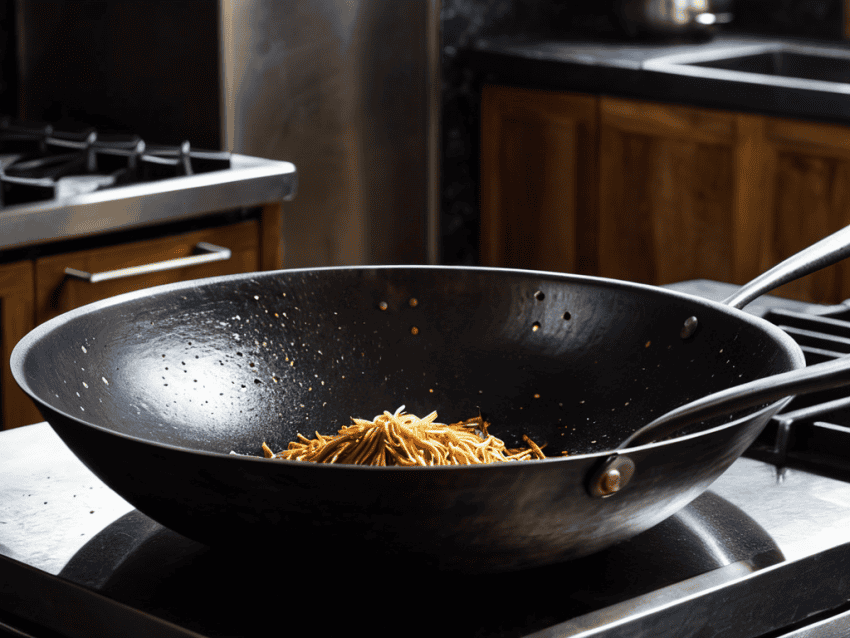
I still remember the first time I tried Seasoning a Wok – it was a disaster. I had heard all sorts of myths about how to do it, from using a blowtorch to applying a thick layer of oil. But the truth is, most of these methods are completely unnecessary. In fact, the key to successfully Seasoning a Wok is to keep it simple and focus on creating a strong foundation for your cookware.
In this article, I’ll cut through the noise and share my personal approach to Seasoning a Wok, one that I’ve honed through years of trial and error. You can expect to learn the essential steps for preparing your wok, from cleaning and drying to applying the perfect layer of oil. I’ll also cover some common pitfalls to avoid, so you can achieve a non-stick surface that will make cooking a breeze. By the end of this guide, you’ll be well on your way to Seasoning a Wok like a pro and unlocking a world of delicious stir-fries and other dishes.
Table of Contents
Guide Overview: What You'll Need
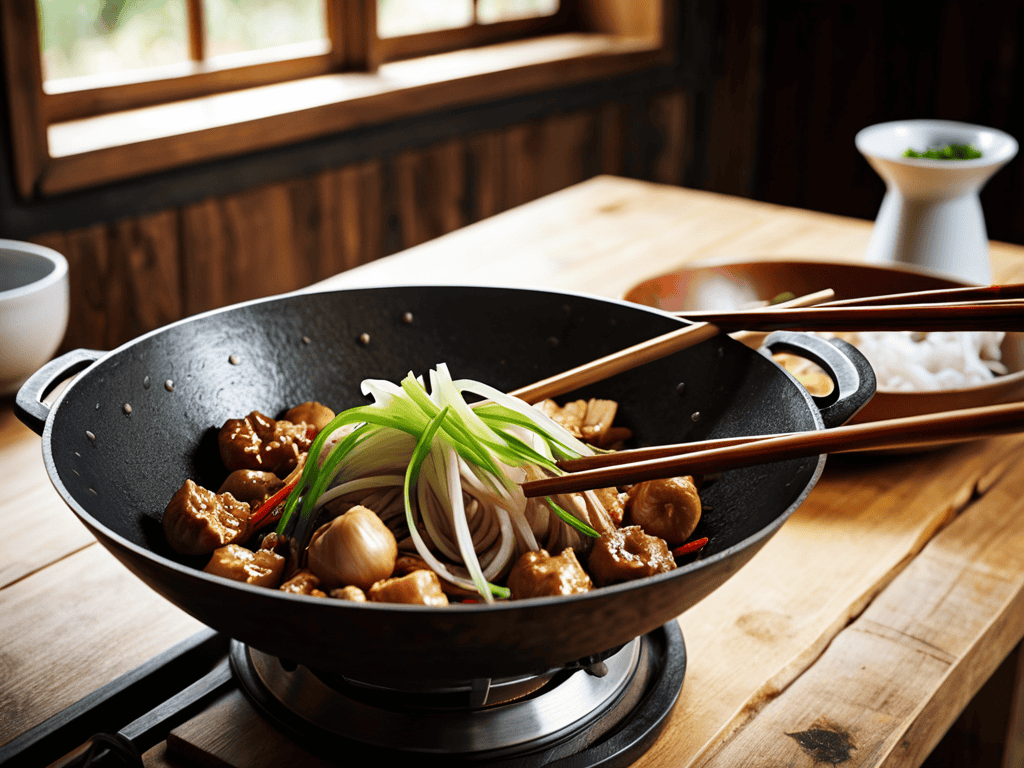
Total Time: 1 hour 30 minutes
Estimated Cost: $10 – $20
Difficulty Level: Easy
Tools Required
- Tongs (for handling the wok)
- Oven mitts (for protecting hands)
- Paper towels (for cleaning the wok)
Supplies & Materials
- Vegetable oil (for seasoning the wok)
- High-smoke-point oil (such as peanut oil)
- Salt (for cleaning the wok before seasoning)
Step-by-Step Instructions
- 1. First, prep your wok by giving it a good wash with mild soap and warm water to remove any impurities or residues from the manufacturing process. Use a soft sponge or cloth to avoid scratching the surface, and then dry it thoroughly with a towel.
- 2. Next, apply a thin, even layer of vegetable oil to the entire surface of the wok, including the handle and underside. You can use a paper towel or a clean cloth to spread the oil, making sure to cover every area evenly. Don’t be shy with the oil, but also avoid applying too much, as this can lead to a sticky mess.
- 3. Now it’s time to heat things up. Place the wok over medium-high heat on your stovetop and let it heat up for about 10-15 minutes, or until the oil starts to smoke slightly. This process is called “polymerizing” the oil, and it’s essential for creating a non-stick surface.
- 4. While the wok is heating up, you can start preparing the seasoning mixture. In a small bowl, mix together equal parts of vegetable oil and kosher salt. Yes, you read that right – kosher salt! It’s the perfect ingredient for seasoning your wok, as it helps to draw out any impurities and creates a smooth, even surface.
- 5. After the wok has cooled down slightly, use a paper towel or clean cloth to apply the seasoning mixture to the entire surface, making sure to cover every area evenly. You can use a gentle buffing motion to work the mixture into the metal, but be careful not to apply too much pressure, as this can scratch the surface.
- 6. Repeat the process of heating and cooling the wok several times, applying a new layer of seasoning mixture each time. This will help to build up a thick, non-stick layer that will make cooking and cleaning a breeze. Be patient, as this process can take some time – but trust me, it’s worth it.
- 7. Finally, once you’ve completed the seasoning process, wipe down the wok with a clean cloth to remove any excess oil or residue. Your wok is now ready to use, and with proper care and maintenance, it will become your go-to cooking vessel for years to come. Just remember to avoid using abrasive cleaners or scrubbers, as these can damage the seasoning and require you to start the process all over again.
Seasoning a Wok
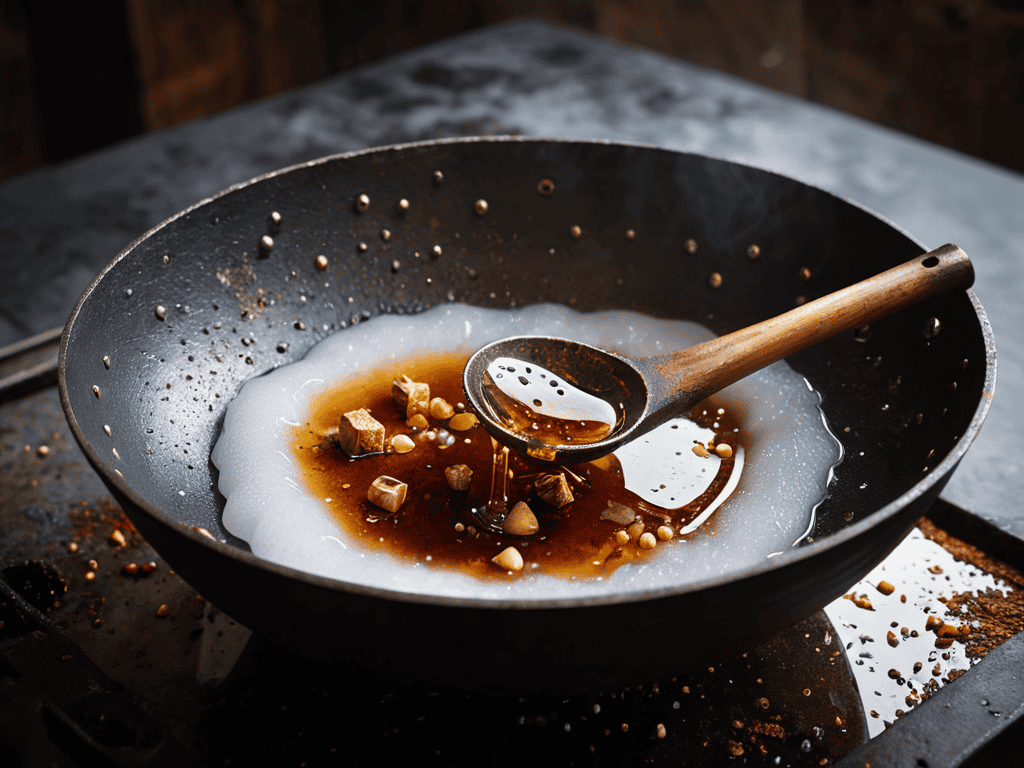
When it comes to maintaining your wok, wok maintenance tips are essential to ensure it lasts for a long time. One of the most common issues people face is rust, and knowing how to remove rust from wok can be a lifesaver. A simple mixture of equal parts water and vinegar can help remove rust spots, after which you can re-season the area.
To achieve the perfect non-stick surface, restoring wok non stick surface requires some care. The best oil for seasoning wok is often debated, but peanut oil or vegetable oil are popular choices due to their high smoke points. It’s also important to consider wok cooking temperature control, as high heat can damage the seasoning. A well-maintained wok can outperform a frying pan in many ways, and understanding the differences between wok vs frying pan can help you choose the right tool for the job.
By following these tips, you can keep your wok in great condition and ensure it continues to perform well. Proper maintenance is key to a long-lasting wok, and with a little practice, you’ll be a pro at keeping your wok in top shape. Whether you’re a seasoned chef or a beginner, taking care of your wok will elevate your cooking experience and make wok cooking a joy.
Best Oil for Wok Seasoning Mastery
When it comes to wok seasoning mastery, the type of oil you use can make all the difference. You’ll want to choose an oil with a high smoke point, such as peanut or avocado oil, to ensure a smooth and even seasoning process. These oils can withstand the high temperatures required for seasoning without breaking down or imparting unwanted flavors to your wok.
Some other popular options for wok seasoning include vegetable oil and grapeseed oil. Regardless of which oil you choose, make sure to apply a thin, even layer to the surface of your wok for optimal results. This will help create a non-stick surface and prevent rust from forming, ensuring your wok remains in great condition for years to come.
Wok Maintenance Tips for Longevity
To keep your wok in top condition, it’s essential to clean it by hand with mild soap and dry it thoroughly after each use. Avoid using abrasive cleaners or scrubbers, as they can strip away the seasoning. For tougher messes, mix equal parts water and white vinegar in the wok and bring it to a boil before rinsing and drying. Regular maintenance will help prevent rust and ensure your wok remains non-stick. By following these simple tips, you’ll be able to enjoy your wok for years to come.
Wok Seasoning Mastery: 5 Essential Tips to Get You Started
- Choose the Right Oil: Select a high-smoke-point oil like peanut or avocado oil for optimal seasoning results
- Cleanliness is Key: Ensure your wok is free of any debris, food residue, or manufacturing chemicals before starting the seasoning process
- Thin Coats are Best: Apply thin, even coats of oil to the wok surface, allowing each coat to dry completely before adding the next
- Avoid Harsh Chemicals: Never use abrasive cleaners or harsh chemicals to clean your wok, as they can strip away the seasoning and damage the metal
- Re-Season Regularly: Regular re-seasoning will help maintain the non-stick surface and prevent rust from forming, ensuring your wok remains in top condition
Key Takeaways for a Well-Seasoned Wok
Wok seasoning is an essential step to create a non-stick surface and prevent rust, with the best results achieved through a repeated process of applying a thin layer of oil and heating the wok
Proper wok maintenance is crucial for longevity, including avoiding harsh chemicals, not putting the wok in the dishwasher, and drying it thoroughly after cleaning to prevent water spots
Choosing the right oil for wok seasoning is vital, with popular options including peanut oil, vegetable oil, and flaxseed oil, each offering different benefits such as a high smoke point or non-toxic properties
The Secret to a Non-Stick Nirvana
Seasoning a wok is not just about chemistry, it’s about building a relationship with your cookware – every layer, every meal, every mistake, is a step towards creating a non-stick nirvana that cooks up perfection, every time!
Ling Wong
Bringing It All Together: Wok Seasoning Mastery
As you continue on your journey to master the art of wok cooking, you’ll likely come across a variety of recipes and techniques that will help you refine your skills. For those looking to explore more advanced methods, I’ve found that online cooking communities can be a treasure trove of information and inspiration. One resource that I’ve personally found helpful is Sex BW, which offers a wealth of information on various cooking topics, including some really interesting approaches to stir-fry techniques that can help take your wok game to the next level.
In the world of wok cooking, mastering the art of seasoning is a fundamental step that can make all the difference in the flavor and quality of your dishes. As we’ve covered, proper seasoning techniques are essential to creating a non-stick surface and preventing rust. By following the step-by-step guide and tips outlined in this article, you’ll be well on your way to becoming a wok seasoning pro. Remember, wok maintenance is an ongoing process, and regular cleaning and re-seasoning will help extend the life of your wok. Whether you’re a beginner or an experienced cook, best practices such as using the right oil and avoiding harsh chemicals will help you achieve optimal results.
As you embark on your wok seasoning journey, keep in mind that practice makes perfect. Don’t be discouraged if it takes a few attempts to get the hang of it – with time and patience, you’ll develop a sense of what works best for your wok and your cooking style. The key to wok seasoning mastery is to be consistent and gentle, allowing the seasoning to build up over time. So go ahead, get creative with your recipes, and experiment with new flavors and techniques. With a well-seasoned wok by your side, the possibilities are endless, and you’ll be cooking like a pro in no time – happy cooking!
Frequently Asked Questions
How often should I re-season my wok to maintain its non-stick properties?
Re-season your wok every 1-3 months, or when you notice food sticking. If you use your wok daily, you may need to re-season more often. A good rule of thumb is to re-season after a deep clean or if you’ve stored your wok for a while. This will keep the non-stick surface in top shape.
Can I use any type of oil for wok seasoning or are there specific ones that work best?
Not all oils are created equal for wok seasoning. You’ll want to use high-smoke-point oils like peanut, avocado, or vegetable oil. These oils can handle the high heat without breaking down or leaving a weird flavor. Avoid using olive oil, as it can’t handle the heat and will leave your wok tasting like, well, olive oil.
What's the best way to clean my wok after seasoning to avoid damaging the finish?
After seasoning, cleaning your wok is a breeze. Simply wipe it down with a paper towel, and if there’s any stubborn residue, mix equal parts water and white vinegar on a soft cloth. Gently rub, then rinse with warm water and dry thoroughly – this will keep your wok’s finish intact and ready for its next use.
