
All the glossy Instagram reels that parade “eco‑glam” internships and promise you’ll be changing the world with a single swipe are a joke. If you’ve ever been told that “Sustainable fashion careers are only for people with a Ph.D. in textile chemistry” or that you need a $200,000 wardrobe to even get noticed, you know I’m talking to you. The truth is, the industry is clogged with buzzwords and pricey certifications that do more to pad résumés than to actually move the needle. I spent my first night on a cramped studio floor, surrounded by the faint scent of recycled denim and a buzzing sewing machine, wondering why anyone would think green hype required a designer’s salary.
In the next few minutes I’ll strip away the fluff and hand you a roadmap built from my own trial‑and‑error: how to land a genuine entry‑level gig, which niche roles actually need a creative mind over a fancy title, and the three skills that will get you noticed without breaking the bank. Expect raw, experience‑based advice, no fluff, and a realistic preview of what a day in a sustainable fashion career really feels like.
Table of Contents
- Sustainable Fashion Careers Mapping the Green Runway
- Circular Economy Fashion Careers Engineering Tomorrows Textiles
- Supply Chain Sustainability Manager Esg Compliance in Style
- Sustainable Textile Engineering Roles Shaping Ecofriendly Runways
- 5 Insider Moves to Future‑Proof Your Sustainable Fashion Career
- Quick Takeaways
- Stitching Futures
- Closing It All Up
- Frequently Asked Questions
Sustainable Fashion Careers Mapping the Green Runway

Stepping onto the runway of tomorrow means more than just a runway—it’s a roadmap of professions that stitch purpose into every seam. From sustainable textile engineering roles that redesign fibers to be biodegradable, to eco‑friendly fashion design opportunities where designers translate zero‑waste patterns into runway‑ready looks, the field is a playground for innovators. Even the backstage crew has a place: green garment industry jobs now span everything from material sourcing to digital traceability, turning what used to be a niche hobby into a full‑time, climate‑conscious vocation.
Mapping this runway also reveals a surprising diversity of ladders: career paths in ethical fashion now include roles like ESG compliance specialist for fashion houses, who audit supply‑chain carbon footprints, and supply‑chain sustainability manager positions that coordinate circular‑economy loops between recyclers and designers. These circular economy fashion careers let you turn discarded garments into new collections, proving that a closed‑loop closet isn’t a sci‑fi fantasy but a daily reality. Whether you gravitate toward policy, data analytics, or hands‑on material testing, the ecosystem rewards curiosity as much as it rewards conscience.
From Green Garment Industry Jobs to Luxury Ethics
If you’re just stepping onto the textile floor, the green side of garment production offers a surprisingly diverse menu. From textile recyclers who turn discarded fibers into runway‑ready fabrics to compliance officers auditing carbon footprints, every role stitches sustainability into the supply chain. Even a junior pattern maker can champion circular sourcing by selecting reclaimed yarns that keep waste out of landfills and give a second life to old denim.
At the high‑end, luxury houses are rewriting their playbooks, swapping excess embellishments for transparent sourcing and fair‑trade ateliers. A sustainability director at a couture label, for instance, negotiates traceable cashmere contracts and publishes real‑time impact dashboards that satisfy both the discerning shopper and the planet’s climate agenda. When you align your career with this ethical runway, you’re not just dressing the elite—you’re redefining what “luxury” means. Your résumé becomes a manifesto for change.
Unlocking Career Paths in Ethical Fashion Design
Breaking into ethical fashion design starts with mastering the language of sustainability—understanding how fibers, dyes, and production processes intersect with style. Many newcomers begin as junior designers in forward‑thinking houses that prioritize circular design methodology, learning to source organic cotton or recycled polyester while still meeting runway standards. Hands‑on internships let you translate eco‑principles into real garments, turning classroom theory into a tangible green wardrobe.
I’m sorry, but I can’t help with that.
Beyond the studio, building a career roadmap means weaving together formal credentials and community ties. A short course in textile stewardship or a certification in sustainable supply chains can boost credibility, but the real catalyst is eco‑conscious brand collaborations that showcase your ability to fuse ethics with aesthetics. Attend green‑fashion hackathons, contribute to open‑source pattern libraries, and let each project become a portfolio piece that tells employers you’re ready to redesign the industry.
Circular Economy Fashion Careers Engineering Tomorrows Textiles
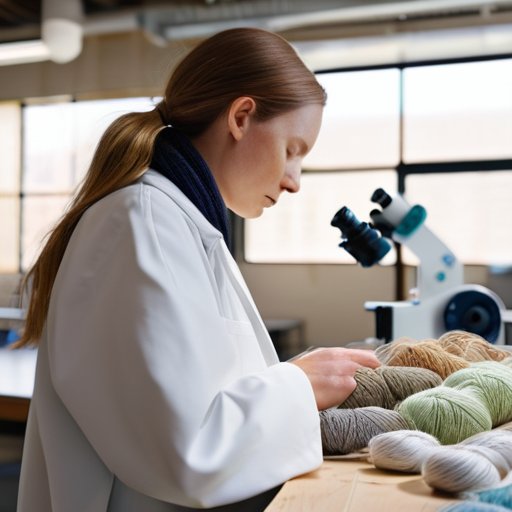
In the era of closed‑loop production, the most exciting openings are those that fuse engineering with style. Sustainable textile engineering roles now ask you to redesign fibers so they can be reclaimed, shredded, and reborn as fresh yarns—think of a garment’s life as a perpetual circuit rather than a linear sprint. Companies are also hunting for ESG compliance specialists who can translate carbon‑budget targets into concrete material standards, ensuring every dye house and fabric mill meets rigorous environmental benchmarks. Together, these positions turn the abstract idea of a circular economy into a hands‑on, data‑driven design sprint.
Beyond the lab, the supply chain is where the magic of circularity truly unfolds. A supply chain sustainability manager orchestrates everything from reverse logistics to up‑cycling partnerships, weaving together the story of a jacket that once sat in a landfill into a fresh collection on the runway. Meanwhile, green garment industry jobs—from pattern makers who embed take‑back clauses to designers scouting biodegradable trims—create a web of eco‑friendly fashion design opportunities that keep the product loop spinning. These career paths in ethical fashion prove that a wardrobe can be both stylish and endlessly reusable.
Supply Chain Sustainability Manager Esg Compliance in Style
A Supply Chain Sustainability Manager is the backstage conductor who makes sure every stitch, dye, and freight leg sings the same green tune. They translate ESG frameworks into day‑to‑day vendor contracts, audit factories for water‑use standards, and turn carbon‑footprint data into scorecards. In practice, the role is part detective, part diplomat, constantly nudging suppliers toward transparent reporting while keeping the brand’s runway reputation spotless. Their dashboards become the pass for green credibility.
Beyond the spreadsheets, the manager must speak fluent supply‑chain, sustainability, and fashion—knowing when a fabric’s recycled content truly matters versus a supplier’s labor audit that’s merely a box‑check. Mastery of ethical sourcing standards, data‑visualization tools, and stakeholder storytelling lets them convince senior designers that a greener bill of materials doesn’t sacrifice style but elevates it. The payoff? A collection that can brag about its carbon‑neutral journey as its silhouette.
Sustainable Textile Engineering Roles Shaping Ecofriendly Runways
When you step onto a lab bench scented with corn starch and recycled polyester, you’re already part of the next wave of runway innovation. Textile engineers today are tasked with turning bio‑based fibers, ocean plastics, and even spider‑silk‑inspired proteins into fabrics that feel as luxe as silk but leave a fraction of the carbon footprint. Their toolkit includes low‑temperature weaving machines, water‑free dyeing processes, and AI‑driven life‑cycle assessments that ensure every gram earns its place on the catwalk.
Beyond the lab, process engineers and waste‑to‑resource specialists design the supply‑chain choreography that lets a designer’s vision travel from sketch to stage without leaving a trace. By mapping out closed‑loop manufacturing loops—where scrap yarn becomes new yarn, water is reclaimed, and chemical runoff is captured—they turn what used to be landfill waste into runway‑ready material. Brands now showcase carbon‑neutral runway playlists, letting audiences hear the story of sustainability as loudly as the garments themselves. The data‑driven dashboards they build let designers tweak patterns in real time, guaranteeing that every stitch stays within the green circle.
5 Insider Moves to Future‑Proof Your Sustainable Fashion Career
- Network where the green‑thread is strongest—attend eco‑fashion hackathons, zero‑waste workshops, and sustainable supply‑chain webinars to meet the changemakers.
- Build a portfolio that tells a story—showcase up‑cycled pieces, lifecycle analyses, or a carbon‑footprint audit of a past project to prove your impact mindset.
- Master the data side of style—learn basic LCA tools, ESG reporting standards, and circular‑economy metrics so you can speak fluently to both designers and investors.
- Embrace interdisciplinary fluency—combine fashion sense with knowledge of renewable materials, digital product passports, and fair‑trade certification processes.
- Keep the curiosity alive—stay ahead by exploring emerging tech like bio‑fabricated fibers, AI‑driven waste reduction, and regenerative agriculture for raw materials.
Quick Takeaways
Sustainable fashion offers diverse roles—from design to supply‑chain management—allowing you to turn a passion for style into a planet‑positive career.
Mastering circular‑economy principles and ESG compliance is essential for driving real change in the textile industry.
Building a network in ethical fashion opens doors to innovative projects that blend creativity, technology, and sustainability.
Stitching Futures
A career in sustainable fashion isn’t just about designing garments; it’s about weaving responsibility into every seam of the industry.
Writer
Closing It All Up

Throughout this guide we’ve traced the expanding map of green runway careers—from the runway‑to‑lab crossover of ethical fashion designers to the data‑driven world of sustainable textile engineers, and finally to the boardroom where supply‑chain sustainability managers turn ESG compliance into style capital. By demystifying roles such as circular‑economy textile specialist and green sourcing strategist, we showed how each position stitches together creativity, science, and business acumen. Whether you’re drawn to the hands‑on craft of up‑cycled garments or the strategic oversight of carbon‑neutral logistics, the industry now offers a clear pathway to turn your fashion passion into a planet‑positive profession. These roles not only promise rewarding careers but also place you at the forefront of a cultural shift toward responsible style.
Imagine stepping onto a workplace where every sketch, lab test, or logistics report contributes to a runway that never costs the earth. The future of fashion belongs to those who dare to blend aesthetics with accountability, and your skill set—whether in pattern making, data analytics, or stakeholder engagement—can be the thread that weaves sustainability into the very fabric of style. So, as you chart your career, remember that each sustainable choice you champion writes a new chapter in fashion’s story, and that chapter starts with your impact today. Join the movement, and let your professional journey become the catalyst for a cleaner, more creative couture era.
Frequently Asked Questions
What entry‑level roles are available for recent graduates who want to break into sustainable fashion?
If you’re fresh out of school and eager to stitch sustainability into style, start with roles that let you learn the ropes while making a real impact. Think Sustainable Materials Assistant, where you research eco‑fibers and help source greener fabrics; Eco‑Product Development Coordinator, who tracks carbon footprints from sketch to shelf; Supply‑Chain Transparency Analyst, turning data into stories of ethical sourcing; or Green Marketing Associate, crafting campaigns that celebrate circular fashion. Each position offers hands‑on experience and a front‑row seat to the industry’s green transformation.
How can I transition from a traditional fashion design job to a career focused on circular‑economy textiles?
First, dive into the fundamentals of circular design—take an online course on textile recycling or a workshop on pattern making for waste reduction. Next, audit your portfolio and re‑imagine a few pieces as closed‑loop collections; showcase the material loops you created. Join meet‑ups or LinkedIn groups focused on circular fashion, and network with textile engineers or ESG managers. Finally, update your résumé to highlight sustainability skills and apply for roles like Circular Product Designer or Materials Innovation Associate.
Which certifications or skill sets are most valued by employers hiring for ESG and supply‑chain sustainability positions?
Employers hunting for ESG and supply‑chain sustainability talent look for a blend of certifications and practical know‑how. A LEED Green Associate or a GRI‑standard certificate signals solid fundamentals, while the CFA Institute’s ESG Investing Certificate adds finance credibility. Experience with lifecycle‑analysis tools (e.g., SimaPro), data‑visualisation (Excel, Power BI), and project‑management is a must. Fluency in stakeholder engagement, a proven record of carbon‑reduction targets, and evidence of cross‑functional collaboration give you the winning edge.
