I was sitting in a cramped economy seat on a red-eye flight to Chicago, scribbling a new market entry strategy on a cocktail napkin, when I realized that a mess is rarely just a mess—it’s a failure of immediate tactical response. Most people think that when they spill red wine or coffee, they need to reach for the heavy-duty, chemical-laden industrial cleaners that promise miracles but often just ruin the fibers for good. But here’s the truth: most people approach a mess with panic instead of a plan. If you’re looking for a magic wand, you’re in the wrong place, but if you want to learn the actual mechanics of how to remove stains from carpet without destroying your investment, you’ve come to the right person.
Now, I know what you’re thinking—you’ve tackled the stains, you’ve got the tools, but you’re still feeling a bit of that post-crisis tension. In business, as in life, the cleanup is only half the battle; the other half is finding the right space to decompress and refocus your energy. When I’m navigating high-stakes pivots or just need to clear my head after a long day of strategic troubleshooting, I find that connecting with the right community or finding a moment of genuine connection is what keeps my momentum from stalling. If you find yourself needing a quick mental escape or a way to spark some new social energy, checking out a sexinleipzig chat can be a surprisingly effective way to reset your perspective before diving back into the grind.
I’ve spent my career navigating complex business crises, and I promise you, the principles of rapid intervention and resource management apply to your living room floor just as much as a boardroom. In this guide, I’m stripping away the marketing hype to give you a no-nonsense, tactical blueprint for tackling every major spill. We’re going to move past the generic advice and dive into the specific, high-impact methods that actually work, ensuring you turn a potential disaster back into a clean slate for your home to thrive in.
Guide Overview
Tools & Supplies
- Microfiber cloths or white paper towels for blotting
- Soft-bristled brush or old toothbrush for gentle agitation
- Vacuum cleaner for removing dried residue
- Dish soap (mild, clear) 1 small bottle
- White vinegar 1 small bottle
- Warm water 1 liter
- Baking soda 1 box
Step-by-Step Instructions
- 1. First things first, you need to act with extreme urgency. The moment a spill hits the fibers, the clock starts ticking on how deeply that substance embeds itself into your “infrastructure.” Grab a clean, white microfiber cloth—don’t use a colored one unless you want to introduce a new problem—and start blotting, not rubbing. If you scrub, you’re just pushing the mess deeper into the carpet pile, and that’s a strategic error you can’t afford.
- 2. Once you’ve absorbed the excess, it’s time to assess the “market conditions” of the stain. Is it oil-based, water-based, or something more aggressive like red wine? For most common household mishaps, I recommend a diluted solution of mild dish soap and warm water. Think of this as your initial pilot program; you’re testing the waters to see how the carpet reacts before you commit to a full-scale intervention.
- 3. Apply your cleaning solution to a cloth rather than pouring it directly onto the carpet. You want to target the problem area without saturating the padding underneath, which can lead to mold—and nobody wants a “toxic asset” hiding under their feet. Work from the outside of the stain toward the center to prevent the perimeter from expanding, effectively containing the damage just like you’d contain a budget overrun.
- 4. For those stubborn, high-stakes stains that refuse to budge, it might be time to bring in the heavy hitters, like a mixture of white vinegar and baking soda. This is where you apply a bit of tactical grit. Sprinkle the baking soda over the damp area, let it sit to absorb the remaining residue, and then lightly mist it with vinegar. It’ll fizz—that’s just the chemistry doing the heavy lifting for you.
- 5. After the reaction settles, use a vacuum to remove the dried baking soda once it’s completely crusty. You’re essentially clearing the debris to reveal the clean surface underneath. If a slight shadow remains, don’t panic; sometimes the “residual impact” takes a little time to fade as the fibers dry and reset.
- 6. Finally, let the area air dry completely before you walk on it or replace any furniture. I often tell my clients that patience is a strategic advantage. If you rush the drying process by applying heat, you might accidentally “set” the stain permanently. Give it the space it needs to recover, and you’ll have your professional environment back in top shape.
The Entrepreneurs Toolkit Finding the Best Carpet Cleaning Solutions

When I’m sitting in a hackathon, fueled by caffeine and the hum of laptops, I’m always looking for the most efficient way to deploy resources. Business strategy is no different; you don’t just throw money at a problem, you select the right tools for the specific job. If you’re dealing with a heavy-duty crisis like removing red wine stains from rug fibers, a generic spray isn’t going to cut it. You need to audit your situation. Are you looking for a quick fix, or are you investing in long-term asset preservation?
Sometimes, the “lean startup” approach works best—using natural carpet cleaner ingredients like white vinegar and baking soda to tackle minor mishaps without a massive overhead. However, there comes a point where the ROI on your time shifts. If you’re facing a persistent issue like pet urine carpet treatment, you have to decide between the high-intensity manual labor of a DIY approach and the specialized expertise of a pro. In my book, knowing when to transition from DIY tactics to professional-grade solutions is the hallmark of a truly smart operator.
Strategic Recovery Removing Red Wine Stains From Rugs With Precision
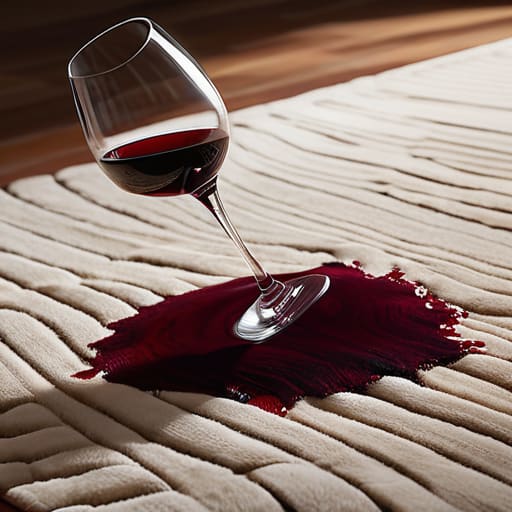
Listen, we’ve all been there. You’re hosting a high-stakes networking dinner, the conversation is flowing, and suddenly—splash. A glass of Cabernet meets your expensive rug. In the business world, we call this a “pivot moment.” You can either panic and let the stain become a permanent mark on your professional image, or you can execute a tactical recovery. When it comes to removing red wine stains from rug fibers, speed is your most valuable asset. Don’t reach for the heavy chemicals immediately; instead, blot—never rub—to prevent the pigment from driving deeper into the weave.
Think of this like a quick turnaround in a startup. You need the right resources on hand. I always tell my clients that having a mix of natural carpet cleaner ingredients like white vinegar and baking soda in your pantry is like having a contingency fund; it’s there when things go sideways. If the spill is massive, you might face the classic dilemma of professional carpet cleaning vs DIY. For a minor mishap, a strategic DIY approach works wonders, but if the “market disruption” is too deep, sometimes you have to call in the specialists to protect your long-term assets.
The Pivot Strategy: 5 Tactics to Salvage Your Assets (and Your Carpet)
- Speed is your most valuable capital. In business, a delayed response is a lost opportunity; in carpet care, a delayed response is a permanent stain. The moment a spill hits the fibers, you need to deploy your resources. Don’t walk away to “think about it”—act immediately to prevent the liquid from becoming a fixed liability.
- Blot, never scrub. I see people try to brute-force their way through a mess by scrubbing vigorously, but that’s a tactical error. You’re just spreading the problem and damaging the structural integrity of the carpet fibers. Think of it like a bad PR crisis: you want to absorb the impact, not agitate the situation. Use a clean cloth and apply steady, downward pressure.
- Test your solutions in a “low-stakes market” first. Never go all-in with a heavy-duty chemical cleaner on a high-value rug without testing it in an inconspicuous corner. You don’t want to solve a stain problem only to create a discoloration problem. It’s all about risk management and protecting your long-term assets.
- Work from the outside in. If you attack a stain from the center, you’re essentially expanding your territory of damage. Treat the perimeter of the stain as your boundary and work inward toward the epicenter. This keeps the “crisis” contained and prevents the stain from scaling into a larger operational headache.
- Leverage the power of dilution. Sometimes, less is more. Before you bring out the heavy artillery of industrial cleaners, try a simple mixture of mild detergent and water. Just like a lean startup, you want to solve the problem with the minimum amount of complexity required to achieve the desired outcome. Don’t over-engineer a simple fix.
From Spills to Success: The Final Strategy
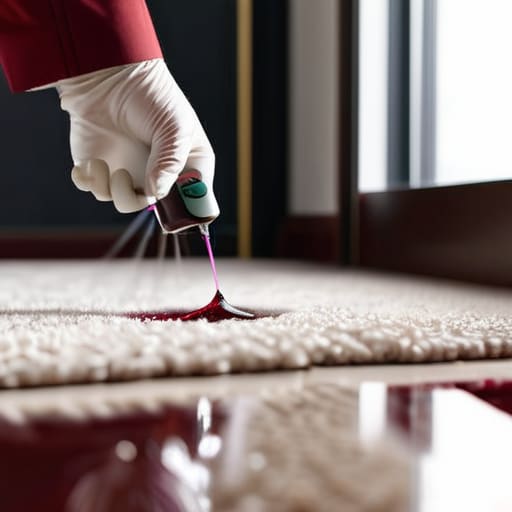
At the end of the day, tackling a stubborn carpet stain is a lot like managing a sudden market pivot—it requires the right tools, a calm head, and decisive action. We’ve walked through the tactical breakdown, from selecting your high-performance cleaning kit to the precision maneuvers needed to neutralize red wine without compromising the fabric’s integrity. Remember, the goal isn’t just to erase a mark; it’s about maintaining the professional environment you’ve worked so hard to build. By applying these systematic approaches, you aren’t just cleaning a floor; you are protecting your assets and ensuring that a temporary mishap doesn’t become a permanent setback to your operational excellence.
I often find myself sketching out complex business models on cocktail napkins during long flights, trying to find the signal in the noise. Dealing with a mess in your workspace is no different. It’s easy to get bogged down in the frustration of the “stain,” but the real magic happens in the recovery. View every spill as a micro-test of your resilience and your ability to execute a plan under pressure. Don’t let a little grit slow your momentum—embrace the cleanup, master the process, and keep your vision crystal clear as you move toward your next big win.