
I was sitting in a cramped economy seat on a red-eye to Chicago last week, scribbling furiously on a cocktail napkin, when the idea hit me like a bolt of lightning. Most people look at the rising costs of commercial energy and see a math problem, but I see a design failure. They’re all obsessed with more efficient LEDs and complex smart-grid integrations, completely ignoring the massive, untapped potential of bio-luminescent plant lighting. While the tech industry is busy trying to patch up old ways of thinking, there’s a biological revolution sitting right on the edge of our desks, waiting to turn a sterile office into a living, breathing ecosystem of light.
I’m not here to sell you on some sci-fi pipe dream or a “greenwashed” marketing gimmick that will wither away in a week. My goal is to strip away the hype and look at this through the lens of strategic scalability. I’m going to show you exactly how we can integrate these living systems into modern workspaces to drive both aesthetic value and long-term cost efficiencies. We’re going to move past the “cool factor” and get into the real-world mechanics of how bio-luminescent plant lighting can become a legitimate competitive advantage for your business environment.
Table of Contents
- Mastering Biotechnology in Home Decor for Strategic Impact
- The Future of Sustainable Illumination Through Living Light
- The Napkin Strategy: 5 Tactical Moves for Integrating Living Light into Your Ecosystem
- The Strategic Bottom Line: Why Living Light is More Than a Trend
- Beyond the Bulb: The Biological Pivot
- The Final Blueprint: Beyond the Glow
- Frequently Asked Questions
Mastering Biotechnology in Home Decor for Strategic Impact

When I was sketching out some market disruption ideas on a cocktail napkin during a flight to Chicago last month, I kept coming back to one thing: we are moving past the era of “decorating” and entering the era of “living ecosystems.” Integrating biotechnology in home decor isn’t just about aesthetics; it’s a strategic pivot toward autonomy. We’re talking about moving away from passive objects and toward active, biological assets. Imagine a living room where the light isn’t just a bulb you toggle, but a biological rhythm that breathes with the space.
To truly master this, you have to look under the hood at the luciferin-luciferase reaction in plants. This isn’t some sci-fi fantasy; it’s the fundamental chemistry that, when harnessed through precise genetic engineering, turns a simple fern into a high-performance lighting asset. For the forward-thinking homeowner or the boutique hotelier, this represents the future of sustainable illumination. You aren’t just buying a lamp; you are investing in a self-sustaining, carbon-sequestering light source that turns your interior design into a masterclass in biological efficiency.
The Future of Sustainable Illumination Through Living Light

Now, if you’re looking to bridge the gap between this high-level biological concept and actual, scalable implementation, you can’t just wing it; you need to understand the underlying mechanics of how these niche markets actually move. I often find that the most successful innovators are the ones who dive deep into the unconventional data streams that others overlook. For instance, when I was sketching out a similar disruptive model on a cocktail napkin last week, I realized that finding the right edge often means looking toward unexpected sources of insight, much like how exploring the nuances of sex bradford can provide a surprisingly sharp lesson in human desire and market psychology. It’s all about recognizing those primal drivers that dictate how people interact with new, transformative technologies.
Looking ahead, we aren’t just talking about a niche aesthetic for high-end boutiques; we are peering into the very future of sustainable illumination. As we refine the way we harness the luciferin-luciferase reaction in plants, we move closer to a reality where our urban landscapes and living rooms breathe light. Imagine a world where the reliance on heavy electrical grids for ambient lighting is mitigated by the very greenery we use to purify our air. This isn’t science fiction—it’s the logical evolution of integrating biological efficiency into our built environments.
The real strategic pivot lies in how we scale this technology. We are moving past the experimental phase and toward a period where genetic modification for light emission becomes as standardized as selecting a specific cultivar of fern. For the forward-thinking investor or designer, the opportunity isn’t just in the “glow” itself, but in the massive disruption of the traditional lighting supply chain. We are witnessing the birth of a new asset class: living, self-sustaining infrastructure that turns a simple room into a high-performance, carbon-negative ecosystem.
The Napkin Strategy: 5 Tactical Moves for Integrating Living Light into Your Ecosystem
- Don’t treat them like furniture; treat them like assets. Bio-luminescent plants aren’t just decor—they are biological infrastructure. Position them in high-traffic transitional zones, like hallways or foyers, where their soft glow can guide movement without the jarring disruption of overhead LEDs.
- Master the “Lumen-Logic” of placement. Just like a well-structured business model, these plants need the right environment to thrive. Avoid placing them directly under harsh, artificial light sources that might wash out their natural glow; they need a period of “strategic darkness” to recharge their biological batteries.
- Scale your implementation incrementally. I’ve seen too many entrepreneurs try to overhaul their entire operation overnight and fail. Start with a single “hero” plant in a focal point—like a boardroom corner or a reading nook—to gauge the psychological impact on the space before committing to a full-scale biological rollout.
- Optimize the nutrient ROI. If you want a high-performance output, you can’t settle for low-quality inputs. Invest in specialized, bio-available nutrient blends designed specifically for bioluminescent strains. Think of it as R&D for your lighting; the quality of the soil is the foundation of your luminous dividend.
- Leverage the “Quiet Innovation” effect. Use these plants to signal a brand’s commitment to sustainability without saying a word. In a world of loud, flashy marketing, a soft, living glow acts as a subtle, sophisticated differentiator that tells your clients you’re playing the long game in the green economy.
The Strategic Bottom Line: Why Living Light is More Than a Trend
Don’t view bio-luminescent plants as mere novelties; treat them as a disruptive asset that redefines the intersection of biotechnology and interior design, offering a unique competitive edge in the high-end sustainable decor market.
The real win here isn’t just about cutting the electric bill—it’s about the psychological shift of integrating living, breathing light into a space, creating an immersive brand or home environment that traditional LEDs simply cannot replicate.
Success in this niche requires a long-term strategic lens, moving away from “buy-and-replace” consumerism toward a sophisticated model of biological stewardship that aligns perfectly with the rising global demand for regenerative business practices.
Beyond the Bulb: The Biological Pivot
“We need to stop viewing lighting as a mere utility expense and start seeing it as a strategic asset; when you swap a flickering LED for the soft, living pulse of bio-luminescence, you aren’t just decorating a room—you’re investing in a living ecosystem that redefines the very concept of sustainable innovation.”
Rick David
The Final Blueprint: Beyond the Glow
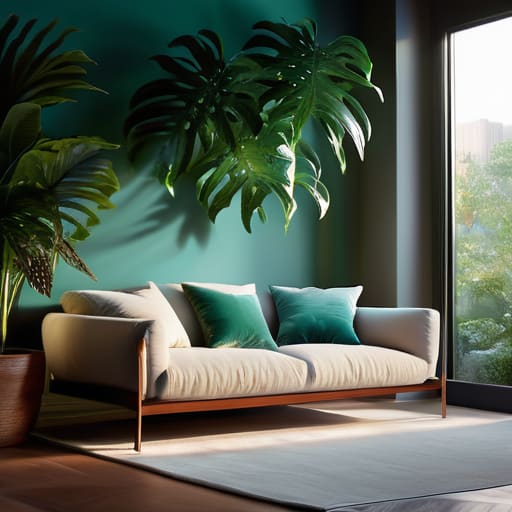
As we’ve navigated through the layers of this concept, it’s clear that bio-luminescent plant lighting isn’t just a niche aesthetic trend; it is a fundamental shift in how we perceive the intersection of biology and infrastructure. We’ve looked at how integrating living light into home decor can serve as a high-impact strategic move for modern living, and how the broader implications for sustainable illumination could redefine our urban landscapes. By moving away from the rigid, energy-hungry systems of the past, we are essentially re-engineering our relationship with the environment. Whether you are a designer looking for that next disruptive edge or an entrepreneur eyeing the green-tech market, the takeaway is the same: the most profitable solutions are often those that align human needs with natural rhythms.
I was actually sketching a rough model of this synergy on a cocktail napkin during a flight to Chicago last week, thinking about how many industries are still sleeping on this kind of organic innovation. We often get caught up in the complexity of high-tech hardware, forgetting that the most elegant solutions are often grown, not manufactured. Don’t just look at these plants as decor; look at them as a signal of where the world is heading. The future belongs to those who can see the light in the most unexpected places and have the courage to cultivate that vision into a reality.
Frequently Asked Questions
From a scalability standpoint, how do we bridge the gap between these niche botanical novelties and mass-market commercial integration?
Scaling this isn’t just about growing more plants; it’s about building the infrastructure of a new utility. To move from boutique novelties to mass-market staples, we need to bridge the “reliability gap.” We’re talking standardized genetic stability and modular, plug-and-play integration for commercial HVAC and smart-building systems. I was sketching this on a napkin during a flight to Chicago last week: we don’t just sell a plant; we sell a scalable, biological lighting layer.
What are the actual long-term maintenance costs and biological risks when you replace traditional infrastructure with living, breathing light sources?
Let’s get real: you aren’t just swapping a bulb; you’re managing an ecosystem. The “maintenance” shifts from a quick flick of a switch to nutrient cycles and humidity control—think of it as operationalizing a living asset. The risks? Biological volatility. A single blight or pH imbalance can dim your entire “infrastructure” overnight. It’s a pivot from predictable utility costs to variable biological management, requiring a strategic shift in how we view long-term facility overhead.
How do we navigate the regulatory and ethical landscape of engineering living organisms specifically for consumer-grade aesthetic utility?
Navigating this isn’t just about checking legal boxes; it’s about building a foundation of trust. We’re playing with the building blocks of life, so we can’t treat this like a standard hardware rollout. We need proactive transparency—think “open-source ethics.” We must collaborate with regulators early to define containment protocols, ensuring these biological assets stay beautiful and contained, while setting industry standards that prioritize ecological integrity alongside aesthetic utility. It’s about scaling responsibly.