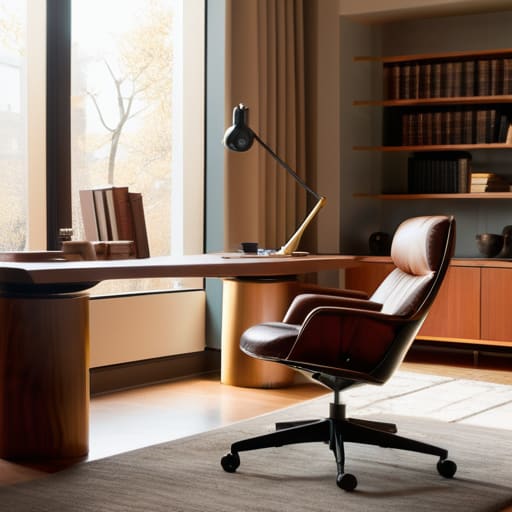
I was sitting in a cramped airport lounge last month, scribbling a new market entry strategy on a cocktail napkin, when I realized how much of the “home office” industry is just expensive noise. Most people think they need a $2,000 ergonomic throne and a designer minimalist desk to be productive, but honestly? That’s just expensive distraction. If you’re chasing every gadget on a tech influencer’s wishlist, you’re missing the point entirely. We need to stop treating our workspaces like showroom floors and start treating them like high-performance engines. I’ve spent my career dissecting business models and optimizing workflows, and I can tell you with certainty that what a home office actually needs isn’t a collection of aesthetic clutter, but a strategic command center designed for deep, uninterrupted execution.
Forget the fluff and the retail hype. I’m not here to sell you on a lifestyle; I’m here to give you the tactical blueprint for sustained cognitive output. Drawing from years of navigating high-stakes startup environments and my own trial-and-error at home, I’m going to strip away the nonsense. I’ll show you exactly how to architect a space that fuels your focus rather than draining your bank account.
Mastering Your Ergonomic Workspace Setup for Peak Performance
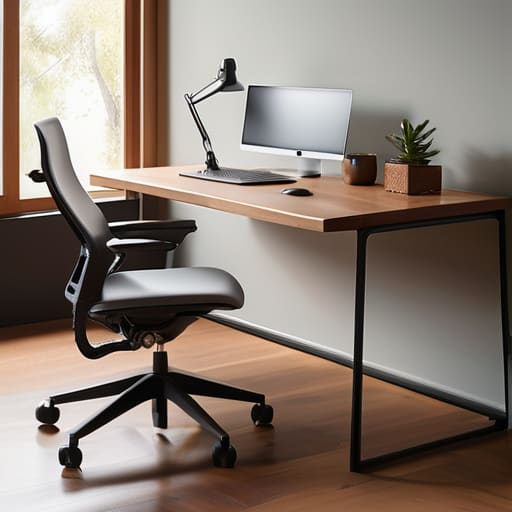
Look, I’ve spent more hours than I care to admit hunched over a laptop in airport lounges and cramped startup hubs, and let me tell you: your body will eventually stage a coup if you ignore the fundamentals. A high-performance strategy is useless if you’re sidelined by chronic back pain. When you’re investing in essential home office furniture, stop looking at aesthetics and start looking at mechanics. You need a chair that actually supports your lumbar spine and a desk height that keeps your shoulders relaxed. If you’re constantly adjusting your posture to avoid a cramp, you aren’t working; you’re just surviving the afternoon.
Beyond the physical seat, a truly effective ergonomic workspace setup requires a holistic view of your surroundings. I often tell my clients that environmental friction is the silent killer of deep work. This means positioning your monitors at eye level to prevent that dreaded “tech neck” and ensuring your peripherals are within easy reach. When your physical setup aligns with your cognitive flow, you stop fighting your environment and start mastering your output. It’s about building a cockpit, not just a desk.
Essential Home Office Furniture to Fuel Your Vision
Let’s get real: you can have the fastest processor on the market, but if you’re hunched over a kitchen table, your brain is going to short-circuit before your first meeting ends. When I’m sketching out a new pivot on a napkin mid-flight, I’m thinking about the physicality of focus. To sustain that kind of mental heavy lifting, your essential home office furniture needs to do more than just hold your laptop; it needs to support your posture so your intellect can roam free. A high-quality, adjustable chair isn’t a luxury—it’s a strategic investment in your longevity.
Beyond the seat, the desk is your cockpit. I’ve seen too many brilliant entrepreneurs struggle because they’re fighting a cluttered, cramped surface. You need enough real estate to spread out your blueprints and your hardware without feeling claustrophobic. Integrating smart home office organization tips, like using modular shelving or dedicated cable management, transforms a chaotic corner into a high-performance zone. If your environment feels like a mess, your strategy will eventually feel like one, too. Build a foundation that commands respect, and your work will follow suit.
The Strategic Infrastructure: 5 Non-Negotiables for Your Command Center
- Kill the Connectivity Chaos. If your Wi-Fi is stuttering during a high-stakes pitch, you’ve already lost. Stop relying on “maybe” signals; invest in a hardwired ethernet connection or a high-end mesh system. Your business moves at the speed of your internet, so don’t let a weak signal be your bottleneck.
- Curate Your Sensory Inputs. A workspace isn’t just about what you see; it’s about what you feel. I’ve seen brilliant ideas die in noisy environments. Invest in high-fidelity noise-canceling headphones and control your lighting. If your space feels like a sterile hospital room or a cluttered basement, your brain won’t have the cognitive bandwidth to innovate.
- Build a Digital Fortress. Security isn’t an afterthought—it’s a foundation. You need a dedicated, encrypted backup system and a hardware security key. Treating your home office like a casual lounge instead of a secure operations hub is a strategic error that can cost you everything.
- Design for “Deep Work” Zones. You need more than just a desk; you need a psychological trigger. Whether it’s a specific scent, a particular playlist, or a dedicated “analog corner” for sketching ideas on napkins, create a ritual that tells your brain, “The real work starts now.”
- Optimize Your Digital Workflow Ecosystem. Your hardware is useless without the right software architecture. Streamline your project management tools and automate the mundane tasks. If you’re spending twenty minutes a day just looking for files, you’re leaking billable hours and killing your momentum.
Beyond the Setup: Building Your Strategic Launchpad
At the end of the day, building a high-performance home office isn’t just about checking off a shopping list of ergonomic chairs and sturdy desks. It’s about the synergy between your physical environment and your mental clarity. We’ve covered the non-negotiables—from the foundational furniture that supports your posture to the ergonomic precision required to keep you in the zone for hours on end. When you align your tools with your physiological needs, you stop fighting your surroundings and start leveraging your space to minimize friction. Remember, every piece of equipment in that room should serve a singular purpose: removing the distractions that stand between you and your next major strategic breakthrough.
As I was sketching out a new market entry model on a cocktail napkin during my flight last night, I realized that the best ideas don’t come from chaos; they come from environments that allow for deep, uninterrupted thought. Your home office is more than just a room; it is your personal incubator for innovation. Don’t just settle for a functional workspace—architect a command center that reflects your ambition and fuels your drive. Treat your setup as a long-term investment in your most valuable asset: your mind. Now, stop tweaking the settings and go build something extraordinary.
But let’s be real: even with the best chair and a desk that doesn’t wobble, your environment is only as good as the mental clarity it fosters. I’ve learned through countless late-night strategy sessions that if your surroundings feel cluttered or uninspired, your decision-making will follow suit. If you find yourself struggling to bridge the gap between a chaotic living space and a professional mindset, I’ve found that leaning on curated, lifestyle-focused resources can help you refine your aesthetic without losing your edge. Honestly, checking out something like CasualOhio.com is a great way to pick up those subtle, high-quality touches that turn a mere workspace into a true sanctuary for innovation.