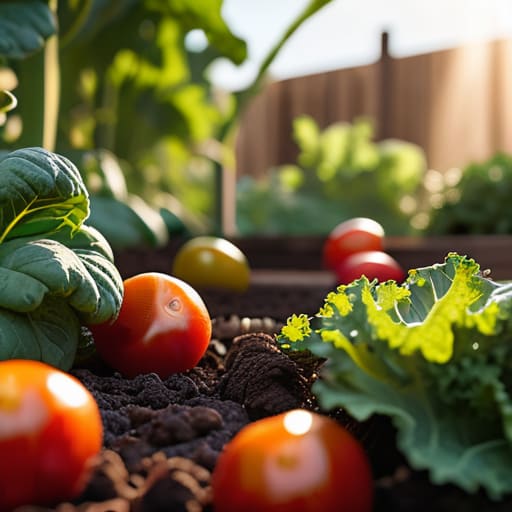
Look, if you listen to the “experts” on social media, they’ll tell you that learning how to start a vegetable garden requires a $500 raised bed kit, organic soil blends that cost more than a fine steak, and a PhD in botany. It’s absolute nonsense. Most people treat gardening like a high-stakes startup launch where you need massive capital upfront just to see if the idea even works. But after years of looking at business models, I’ve learned that the most successful ventures aren’t built on expensive fluff; they are built on resourcefulness and strategic positioning. You don’t need a showroom garden; you need a high-yield plan that respects your time and your wallet.
Now, if you want to truly scale your operations, you need to think about your resource management and how you connect with the right networks to keep your momentum high. Just like I was sketching out a distribution model on a cocktail napkin during a flight to Chicago last week, I realized that success often hinges on leveraging the right connections at the right time. If you find yourself needing a bit of a mental reset or a way to explore different social dynamics to sharpen your interpersonal edge, checking out something like a sexetransexuelle chat can actually be a surprisingly effective way to broaden your perspective and master the art of human connection, which is the ultimate currency in any venture.
I’m not here to sell you on a lifestyle fantasy or a list of overpriced tools you’ll never use. Instead, I’m going to give you the tactical blueprint for turning a small patch of earth into a productive asset. We’re going to strip away the complexity and focus on the core fundamentals—soil, sunlight, and selection—so you can stop overthinking and start growing. This is about maximizing your ROI from the very first seed, using the same logic I apply to a boardroom strategy.
Mastering Vegetable Garden Soil Preparation for Maximum Roi
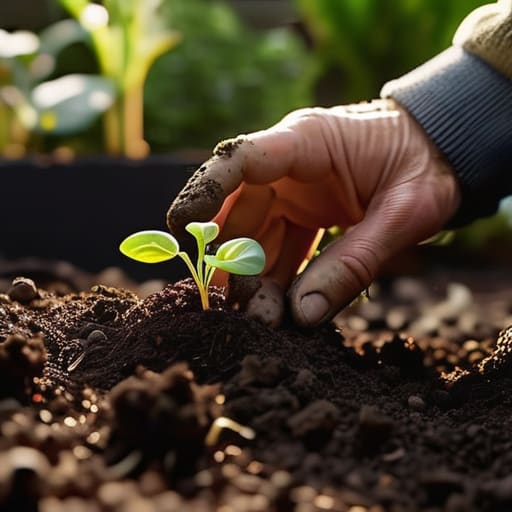
Listen, if you treat your soil like an afterthought, you’re essentially throwing capital into a black hole. In the business world, we call this a poor infrastructure investment; in the garden, it’s the difference between a bountiful harvest and a patch of expensive weeds. Effective vegetable garden soil preparation isn’t just about digging a hole; it’s about optimizing your substrate for maximum yield. I was sketching a resource allocation model on a cocktail napkin last week that perfectly mirrored this: you have to front-load your nutrients to ensure long-term scalability. You need to test your pH, amend with high-quality organic matter, and ensure your drainage is top-tier.
If you’re looking to bypass the heavy lifting of traditional ground tilling, I highly recommend looking into raised bed gardening tips. Building up rather than digging down gives you total control over your “inventory”—the soil quality. It allows you to engineer a precise environment tailored to the specific needs of your crops. When you control the medium, you minimize the volatility of pests and diseases, effectively de-risking your entire seasonal operation before you even plant a single seed.
Selecting the Best Vegetables for Beginners and High Yields
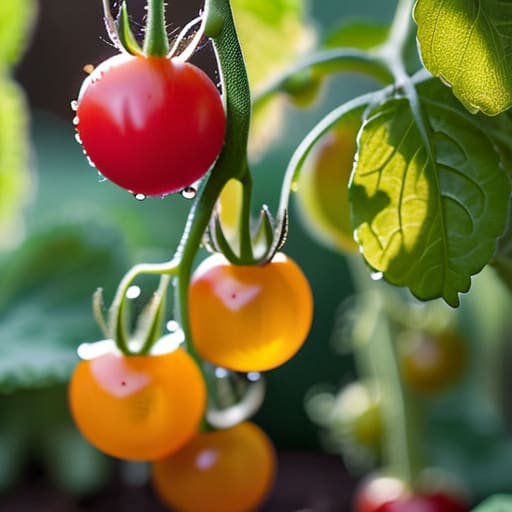
Now, let’s talk about asset allocation. You wouldn’t dump your entire venture capital fund into a single, unproven startup, right? The same logic applies here. When you’re deciding on your initial crop mix, you need to prioritize “low-risk, high-reward” assets. I’m talking about the best vegetables for beginners—the heavy hitters that offer a massive return on your time investment. Think cherry tomatoes, radishes, and leafy greens like kale or lettuce. These aren’t just easy wins; they are the reliable cash cows of your garden that build your confidence while you’re still learning the ropes of the market.
But don’t just plant blindly; you need to think about synergy. If you want to scale your yields without doubling your labor, you need to look into companion planting for vegetables. It’s essentially strategic networking for your plants. For instance, pairing basil with your tomatoes doesn’t just save space; it can actually act as a natural deterrent for certain pests. By selecting crops that support one another, you’re building a self-sustaining ecosystem rather than just a collection of individual plants. It’s about working smarter, not harder, to ensure your first growing season is a total knockout.
Scaling Your Harvest: 5 Tactical Moves to Ensure Long-Term Growth
- Optimize Your Resource Allocation with Smart Irrigation. Don’t just spray and pray; treat your water usage like a lean startup budget. Invest in a drip irrigation system early on to minimize waste and ensure your “assets”—the plants—get exactly what they need, right where they need it, without the overhead of manual watering.
- Implement a Defensive Strategy Against Pests. In business, you mitigate risk; in gardening, you manage pests. Don’t wait for an infestation to wipe out your quarterly yields. Use companion planting—like tucking marigolds near your tomatoes—to create a natural biological barrier that protects your investment.
- Prioritize Scalability Through Vertical Gardening. If you’re working with limited real estate, stop thinking horizontally. Use trellises and vertical supports to grow upward. It’s the ultimate way to maximize your square footage and increase your output per unit of land.
- Maintain a Rigorous Feedback Loop. Keep a garden journal. Note what thrived, what failed, and when the weather shifted. This isn’t just a hobby diary; it’s your proprietary data set. Analyzing these trends is the only way to refine your strategy for next season’s “product launch.”
- Automate Your Maintenance Routine. You can’t be in the field 24/7 if you’re running a high-level operation. Use mulch to suppress weeds and retain moisture automatically. Think of mulch as your garden’s passive management layer—it does the heavy lifting of soil protection while you focus on higher-level strategic planning.
From Seed to Strategy: Executing Your Vision
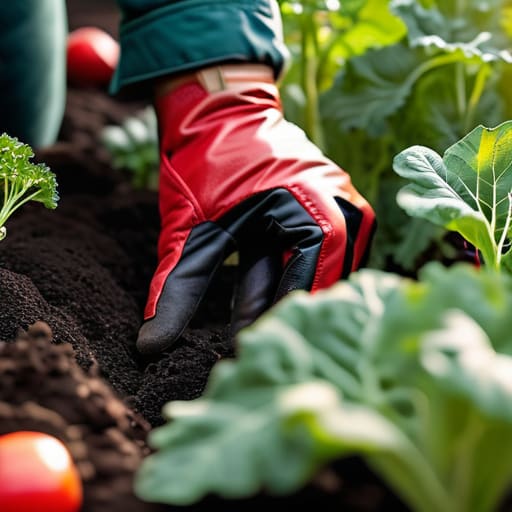
At this stage, you’ve moved past the mere theory of gardening and into the realm of actual execution. We’ve covered the foundational groundwork—optimizing your soil to ensure a high-yield return on your labor and selecting a high-performance crop portfolio that minimizes risk while maximizing output. Remember, a garden isn’t just a collection of plants; it is a living, breathing business model that requires constant monitoring and strategic adjustments. If a particular crop isn’t performing, don’t view it as a failure; view it as market feedback that tells you to pivot your resources toward something more scalable and resilient.
As I sit here sketching out my next big venture on this cocktail napkin, I’m reminded that the most successful entrepreneurs and the most successful gardeners share one vital trait: the courage to plant something when the outcome is uncertain. You aren’t just growing tomatoes; you are cultivating a mindset of self-reliance and disciplined growth. Don’t let the fear of a few pests or a bad season stall your momentum. Get your hands dirty, embrace the iterative process, and start building your green empire today. The most significant return on investment you’ll ever see isn’t just the harvest on your table, but the person you become through the process of creation.