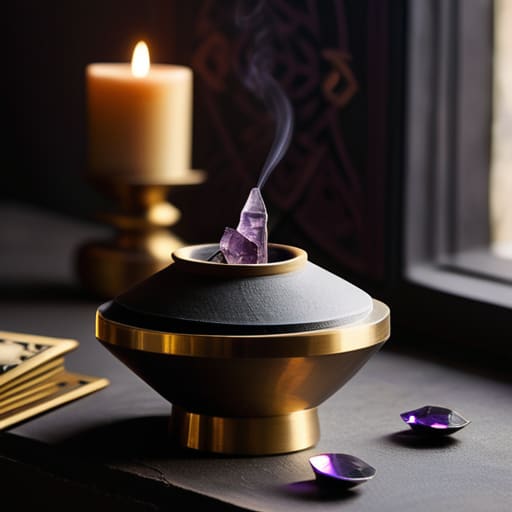
I remember sitting on my bedroom floor at nineteen, surrounded by cheap, mass-produced tarot decks and plastic crystals that felt more like party favors than sacred tools. I was desperately trying to cultivate a vibe that felt ancient and heavy, but all I had achieved was a cluttered mess of tacky trinkets that lacked any real soul. It’s frustrating how much the mainstream tries to sell us a “pre-packaged” version of mystery—as if you can just buy a starter kit and suddenly possess a connection to the unseen. Real occult-inspired aesthetics aren’t about collecting overpriced, aesthetic-only items from a big-box retailer; they are about the weight of the shadows and the intention behind the objects you choose to keep.
I’m not here to give you a shopping list of trendy decor or tell you that certain candles will magically change your life. Instead, I want to share the actual, gritty process of building a space that feels genuinely atmospheric and deeply personal. We’re going to strip away the commercial fluff and focus on how to curate a look that feels earned, intentional, and a little bit dangerous.
Table of Contents
Decoding Sacred Geometry in Graphic Design
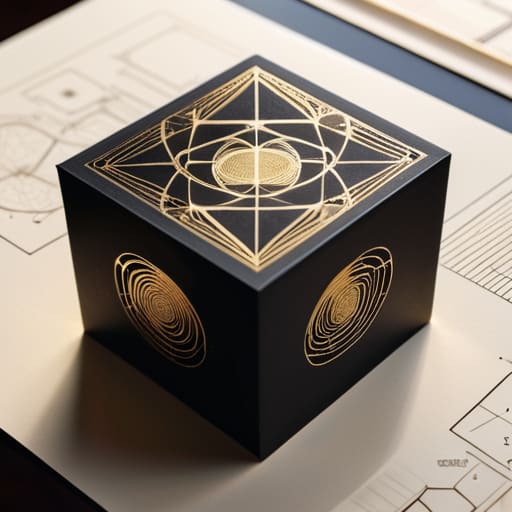
When you start peeling back the layers of high-end esoteric design, you quickly realize it’s not just about random shapes; it’s about the math behind the magic. Integrating sacred geometry in graphic design isn’t just a stylistic choice—it’s a way to tap into patterns that feel instinctively “right” to the human eye. Whether it’s the perfect symmetry of a Metatron’s Cube or the grounding weight of a golden ratio spiral, these shapes act as a visual shorthand for universal order. They turn a flat layout into something that feels like it has its own internal pulse.
It’s also where the technical meets the mystical. When designers pair these precise geometric structures with esoteric typography styles, the result is a brand identity that feels both ancient and cutting-edge. You aren’t just looking at a logo; you’re looking at a sigil. By balancing the rigid precision of geometric lines with organic, hand-drawn flourishes, you create a tension that keeps the viewer’s eye moving. It’s that delicate dance between mathematical perfection and the raw, unrefined energy of the unknown.
Harnessing Alchemical Visual Elements for Impact
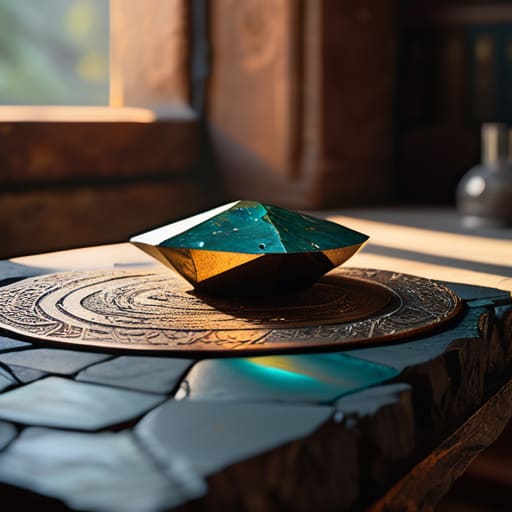
If sacred geometry is the skeleton of this look, then alchemy is its soul. We aren’t just talking about adding a little gold foil to a business card; we’re talking about the intentional transformation of raw materials into something transcendent. To really nail this, you have to lean into alchemical visual elements that suggest a process of change—think textures that mimic aged parchment, oxidized metals, or the heavy, visceral weight of stone. It’s about creating a visual narrative where the viewer feels like they’ve stumbled upon a secret formula rather than just another polished brand identity.
When you’re diving this deep into the visceral, sensory side of aesthetic curation, it’s easy to get lost in the purely visual and forget how much physicality and human connection drive the energy of a space. Sometimes, the most profound way to ground these arcane themes is to step away from the screen and engage with the raw, unscripted reality of people. If you’re looking to explore those more primal, unfiltered social currents, checking out a bristol sex meet can be a fascinating way to observe how human intimacy and raw magnetism actually manifest outside of a curated mood board.
This is where you can play with the tension between light and dark. Instead of sticking to a standard minimalist palette, try experimenting with tarot inspired color palettes—deep, bruised purples, midnight indigos, and those striking, sulfurous yellows that feel both ancient and electric. When you pair these moody tones with heavy, textured linework, you move away from “decoration” and toward something that feels genuinely ritualistic. It’s that subtle, unspoken sense of mystery that turns a simple design into a total sensory experience.
Mastering the Shadow: 5 Ways to Channel the Arcane
- Stop chasing perfection and embrace the grit. Real occult vibes aren’t clean or polished; they’re found in the weathered edges of an old grimoire or the ink bleed of a hand-drawn sigil. If it looks too “vectorized,” you’ve lost the magic.
- Layer your textures like a ritual. Think heavy parchment, cracked stone, or even the grain of old film. You want the viewer to feel like they’re touching something that’s been buried in a cellar for a century.
- Use color to set the ritualistic tone. Move beyond just “black and white.” Lean into deep, bruised purples, oxidized coppers, or that sickly, aged yellow of decaying vellum to create a sense of heavy, atmospheric weight.
- Let symbolism do the heavy lifting. Instead of over-explaining your concept, drop a single, potent icon—a crescent, a specific constellation, or a subtle geometric seal. Let the audience’s subconscious do the work of decoding it.
- Master the art of negative space. In occult design, what you don’t show is just as vital as what you do. Use deep shadows and vast, empty voids to create a sense of mystery and the feeling that something is lurking just out of sight.
The Arcane Toolkit: Quick Wins for Your Aesthetic
Stop treating occult symbols like mere decoration; use them as visual anchors that guide the eye and command attention through intentional, ritualistic placement.
Master the tension between light and shadow—the true power of this aesthetic lies in what you leave partially hidden in the dark.
Balance the heavy, mystical symbolism with clean, modern layouts to ensure your work feels sophisticated and intentional rather than just cluttered or “spooky.”
## The Soul of the Aesthetic
“Occult aesthetics aren’t just about adding some dusty skulls or weird symbols to a mood board; it’s about tapping into that primal, unspoken language of the unseen to make a design feel less like a product and more like a ritual.”
Writer
Beyond the Surface
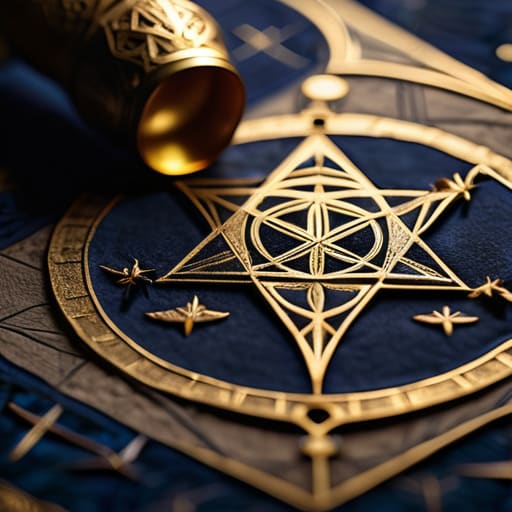
At the end of the day, weaving occult-inspired aesthetics into your work isn’t just about slapping a pentagram on a poster or using a heavy serif font. It’s about the deeper synergy we’ve explored—the way sacred geometry provides a structural soul to your layouts and how alchemical symbolism can turn a simple color palette into a narrative of transformation. When you stop treating these elements as mere decorations and start viewing them as tools for storytelling, your design moves from being visually interesting to being something truly profound. You aren’t just making things look “cool”; you are tapping into a universal visual language that has resonated with humanity for millennia.
So, as you head back to your canvas or your sketchbook, don’t be afraid to lean into the shadows. The most impactful designs often live in that tension between the seen and the unseen, the light and the dark. Use these ancient motifs to anchor your modern concepts, and remember that the goal is to create an experience that feels viscerally intentional. Whether you’re building a brand identity or a digital art piece, let the arcane guide your hand. After all, the most powerful magic happens when you stop following the trends and start channeling the mystery.
Frequently Asked Questions
How do I pull off this look without it feeling like a cheap Halloween costume?
The secret is subtlety. If you plaster every surface with pentagrams and heavy velvet, you’re basically walking cosplay. Instead, aim for “whispered” occultism. Think high-quality textures—heavy linen, aged paper, or brushed brass—and integrate symbols through small, intentional details like a single, minimalist sigil on a custom wax seal or a geometric pattern woven into a rug. It’s about the feeling of ritual, not the literal costume of it.
Where is the line between "mystical vibe" and just looking cluttered or dark?
It’s a fine line, and honestly, most people trip over it. The difference lies in intention. A “mystical vibe” uses darkness to create depth—think intentional shadows and a single, striking sigil that anchors the eye. Clutter is just noise. If you’re throwing every tarot card and candle you own into one corner, you aren’t curating an atmosphere; you’re just creating a mess. Aim for ritualistic precision, not visual chaos.
Are there specific color palettes that help ground these heavy symbols so they don't feel overwhelming?
To keep things from feeling like a total sensory overload, you have to balance the heavy lifting of those symbols with some intentional grounding. I swear by “earthy anchors”—think muted clays, deep forest greens, or even a weathered parchment beige. These tones act like a stabilizer. If you pair a high-contrast sigil with a soft, desaturated backdrop, you get that striking, ritualistic tension without the design feeling like it’s screaming in your face.
