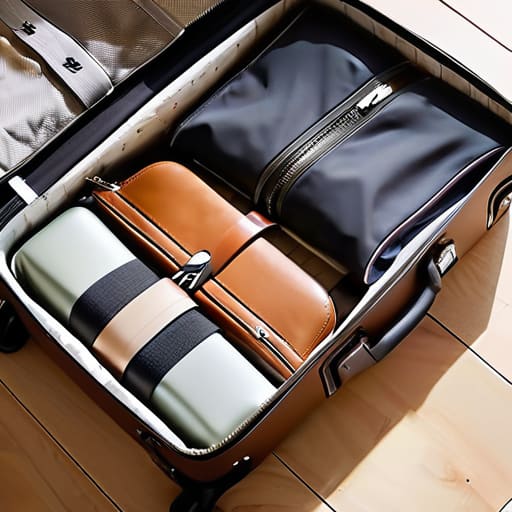
I was sitting in a cramped middle seat over the Atlantic last Tuesday, sketching a new market entry strategy on a cocktail napkin, when I looked at the guy next to me. He was sweating, struggling to shove a bulging, overstuffed suitcase into the overhead bin while the flight attendant gave him that look. It hit me: most people approach travel like a disorganized startup—throwing everything at the wall to see what sticks. They treat their luggage like a junk drawer instead of a high-performance asset. If you’re still following those bloated, “pack everything just in case” tutorials, you aren’t traveling; you’re just managing a mobile logistics nightmare. Learning how to pack a carry on bag shouldn’t be about cramming more stuff into a tiny space; it should be about strategic optimization.
I’m not here to sell you on expensive, color-coded packing cubes or some complicated folding hack that takes twenty minutes per shirt. I’m going to give you the lean, high-stakes blueprint I use to move between continents without ever checking a bag. We’re going to apply business logic to your luggage, focusing on high-value essentials and ruthless prioritization. By the end of this, you’ll have a streamlined system that treats your carry-on like a well-oiled machine, ensuring you spend your time solving problems, not hunting for lost socks in a terminal.
Maximizing Carry on Capacity Through Tactical Geometry
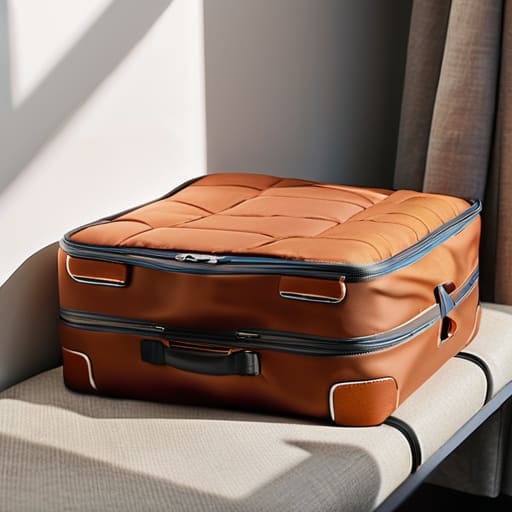
Look, if you treat your suitcase like a junk drawer, you’ve already lost the game. To truly master the art of movement, you have to stop thinking about “stuff” and start thinking about volume and density. I was sketching this out on a cocktail napkin during a flight to Chicago last week: think of your bag as a three-dimensional puzzle where every cubic inch must justify its existence. The most effective way to win this battle is by implementing high-level space saving packing techniques, specifically moving away from the traditional “flat lay” method which is essentially a waste of valuable real estate.
Instead, you need to embrace the debate of rolling vs bundling clothes. While rolling is great for preventing wrinkles in cotton tees, bundling creates a cohesive, structural core that prevents your gear from shifting during transit. For those of us who treat travel like a high-stakes operation, I highly recommend integrating packing cubes for travel to create modular compartments. This isn’t just about organization; it’s about compartmentalizing your assets so you can deploy exactly what you need without a full-scale audit of your luggage every time you reach for a charger.
Mastering Space Saving Packing Techniques for Efficiency
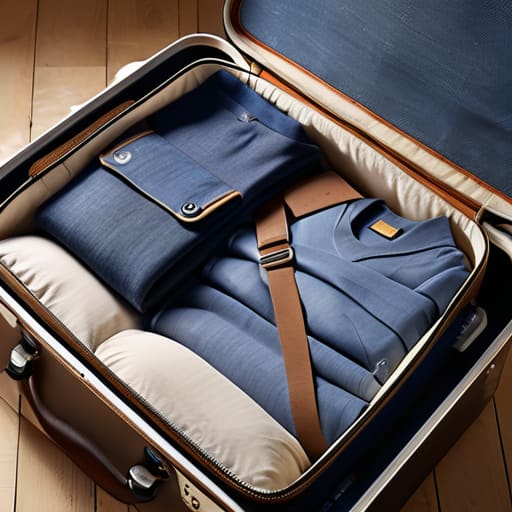
If you’re still treating your suitcase like a laundry basket, you’ve already lost the war before takeoff. To win, you need to stop thinking about “stuff” and start thinking about volume management. I’ve spent countless hours sketching out logistical frameworks on cocktail napkins, and the most effective strategy consistently comes down to the debate of rolling vs bundling clothes. Rolling your garments creates tension and minimizes those pesky air pockets, while bundling—wrapping items around a central core—can actually prevent deep wrinkles in high-end fabrics. It’s all about reducing the “dead air” that eats your capacity.
For those of us who treat travel like a high-stakes operation, I highly recommend investing in high-quality packing cubes for travel. Think of them as modular storage units for your mobile headquarters; they allow you to compartmentalize your gear so you aren’t digging through a chaotic mess at the gate. By grouping items by category—tech, basics, or undergarments—you create a streamlined system that allows for rapid deployment and reorganization. It’s not just about fitting more in; it’s about operational efficiency once you land.
The Carry-On Audit: 5 Strategic Moves to Optimize Your Payload
- Treat your wardrobe like a lean startup—cut the dead weight. If an item doesn’t serve a multi-functional purpose or doesn’t meet your highest performance standards, leave it on the rack. You aren’t packing for a hypothetical scenario; you’re packing for the mission at hand.
- Implement a ‘Tiered Access’ system for your gear. Your high-frequency essentials—tech, documents, and chargers—need to be in a dedicated, easily accessible compartment, much like a well-organized dashboard. Don’t waste strategic bandwidth digging through layers of fabric just to find a charging cable.
- Leverage the ‘Modular Unit’ approach by using high-quality packing cubes. Think of these as specialized departments within your organization. Grouping items by category (e.g., business attire, casual, tech) prevents chaos and ensures that your bag’s internal architecture remains stable under pressure.
- Execute a ‘Heavy Asset’ placement strategy. Always anchor your heaviest items—like shoes or heavy tech kits—at the bottom of the bag, closest to the wheels. This lowers the center of gravity and prevents your entire ‘supply chain’ from toppling over every time you navigate a terminal.
- Maintain a ‘Buffer Margin’ for unexpected opportunities. Never pack to 100% capacity. A successful strategist always leaves a 15% contingency reserve. Whether it’s a last-minute souvenir or an unexpected change in the itinerary, you need the operational flexibility to pivot without needing to check a bag.
The Carry-On Strategy: Final Execution
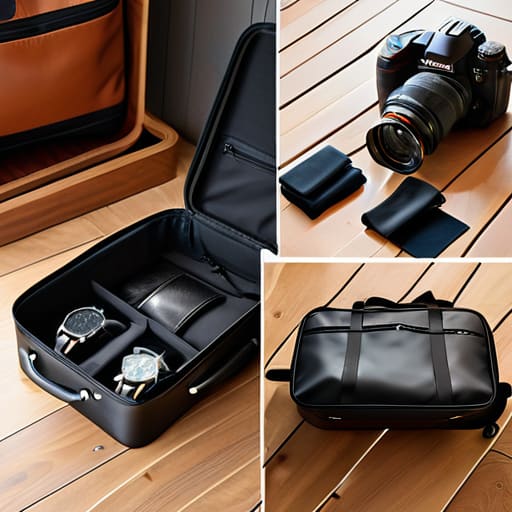
At the end of the day, mastering your carry-on isn’t just about fitting more shirts into a cramped compartment; it’s about applying a disciplined framework to your logistics. We’ve covered the essentials: leveraging tactical geometry to eliminate dead space, utilizing high-efficiency packing techniques, and treating your gear selection like a lean startup—cutting the fluff to focus on high-value assets. When you stop viewing your luggage as a mere container and start seeing it as a strategic resource, you eliminate the friction that so often derails a productive trip. You move from a state of reactive chaos to one of proactive control, ensuring that your physical tools never become a bottleneck to your professional or personal performance.
As I sit here sketching out my next big venture on this cocktail napkin, I’m reminded that the most successful leaders are those who master the small, granular details before tackling the global shifts. Your ability to optimize your immediate environment—even something as seemingly trivial as a suitcase—is a direct reflection of your operational mindset. Don’t just pack for a trip; pack for maximum agility. When you walk through that boarding gate, you shouldn’t feel weighed down by your possessions; you should feel light, prepared, and ready to pivot toward whatever opportunity the destination holds. Now, go out there and execute.
Now, even with a perfect geometric layout and efficient packing techniques, your entire strategy can crumble if you haven’t accounted for the unpredictable variables of your destination. I’ve learned the hard way that a lean carry-on is only as effective as the intelligence you gather before you even zip the bag. If you want to avoid the mistake of packing for a scenario that doesn’t exist, I highly recommend checking out this platform to align your logistics with the actual reality of your surroundings. It’s all about mitigating risk before you even step foot in the terminal.